


Many men struggle with low testosterone (Low T) without ever realizing it. This hormone plays a vital role in energy, sexual health, mental clarity, mood regulation, and body composition. However, the symptoms can be deceptively subtle — often mistaken for aging or stress. In this article, we uncover the overlooked signs like persistent fatigue, brain fog, reduced libido, unexplained weight gain, and decreased muscle mass. We'll also discuss how these symptoms creep in, why they’re ignored, and how men can regain control of their vitality, performance, and well-being.
The Quiet Crisis: Why Low Testosterone Goes Undetected
Low testosterone levels can drastically affect a man’s quality of life — and yet, the symptoms are frequently brushed off. Many men attribute them to getting older, working too hard, or just “feeling off.” But what if it’s more than that?
“You don’t realize how much testosterone fuels your life — until it’s gone.”
Unlike more obvious medical conditions, testosterone deficiency often shows up subtly and accumulates over time. What begins as occasional tiredness may evolve into chronic fatigue, poor motivation, and dwindling sexual desire. When these symptoms stack up, they not only affect physical health but mental and emotional resilience too.
1. Energy Drain: Not Just Tired, But Exhausted
One of the earliest and most common symptoms of testosterone deficiency is a persistent lack of energy. Not the kind that improves with sleep or a day off — but a daily, grinding fatigue that seems to hang over you like a fog.
-
You wake up tired.
-
You crash mid-afternoon.
-
Workouts feel like punishment instead of empowerment.
Low T affects cellular energy production, which explains why even men with decent sleep habits feel utterly depleted.
Pro tip: If you're relying on caffeine just to feel “normal,” it’s worth asking your doctor to check your testosterone levels.
2. Libido & Performance: The Unspoken Changes
Let’s talk about the two elephants in the room — reduced sex drive and erectile issues. For many men, this is the area where Low T hits hardest, but it’s also the most difficult to talk about.
Testosterone is a key hormone responsible for sexual desire, arousal, and performance. When levels drop:
-
Morning erections become less frequent or disappear entirely.
-
Libido fades, even in long-term healthy relationships.
-
Erections may be weaker or harder to maintain.
These changes can feel embarrassing, but they’re extremely common — and reversible. In fact, many men notice a dramatic improvement in sexual health when they begin addressing their hormone levels.
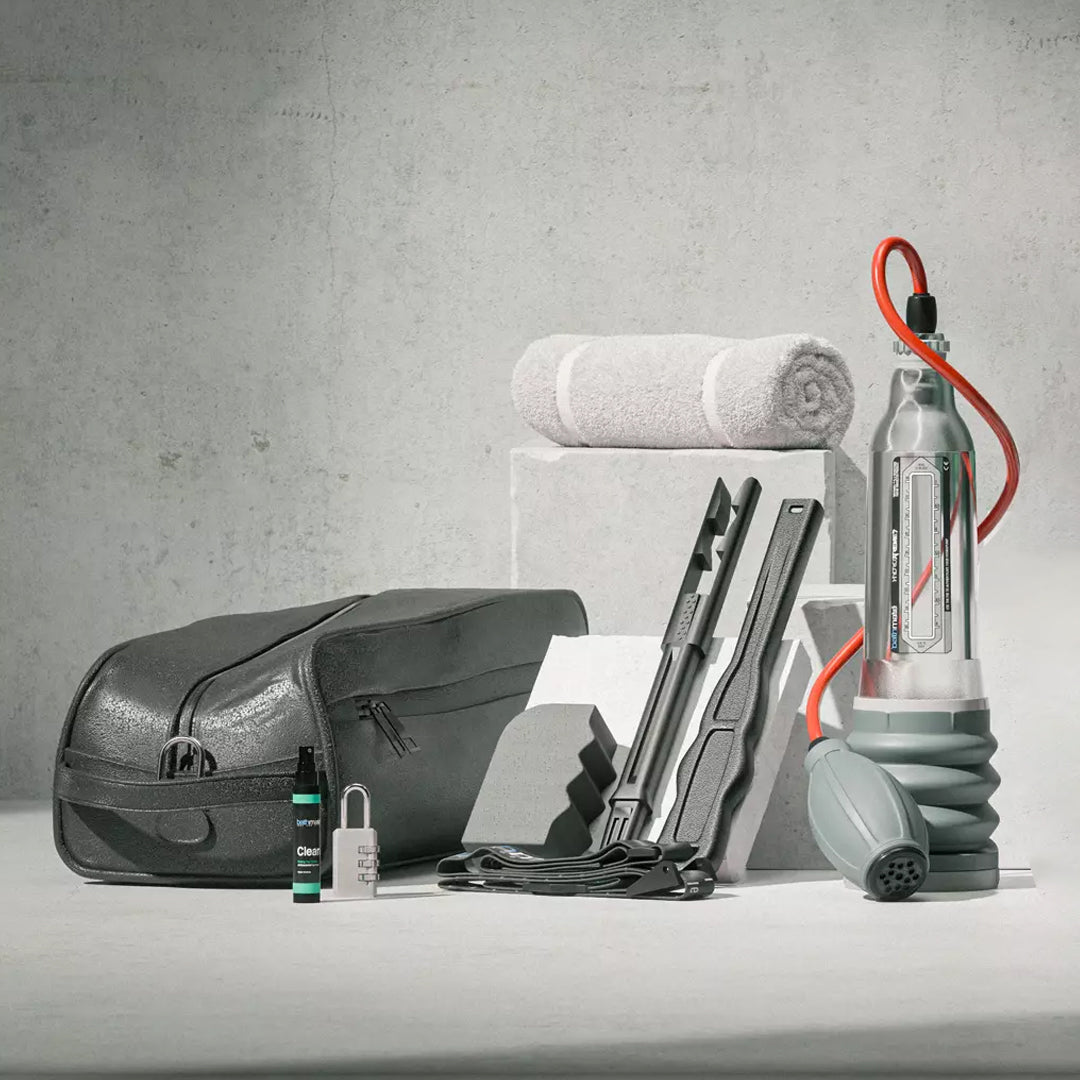
To support men navigating these changes, our Hydromax Penis Pump is a clinically backed, non-invasive solution designed to improve blood flow and erection quality — whether used alone or alongside testosterone therapy.
3. Mood Shifts and Brain Fog: When You're Not Quite Yourself
What many don’t realize is that testosterone doesn’t just affect the body — it plays a huge role in emotional stability and cognitive sharpness. Men with declining testosterone often report:
-
Mood swings or sudden irritability
-
Depressive symptoms without a clear cause
-
Brain fog, forgetfulness, or difficulty concentrating
-
A nagging sense that they’ve “passed their peak”
These symptoms are particularly tricky because they’re often attributed to external stress or burnout. But in many cases, the root issue is hormonal — not situational.
“You’re not lazy. You’re not just stressed. Your hormones may be out of balance.”
If you’re experiencing a mix of low motivation, anxiety, or that vague “rock bottom” feeling, it might be worth looking into your hormonal health.
4. Physical Changes That Sneak Up on You
One of the more subtle aspects of testosterone decline is how it reshapes the body:
-
Loss of muscle strength, despite regular exercise
-
Increased belly fat, even with no major dietary changes
-
Breast tissue development (gynecomastia) — a condition that can be emotionally distressing but rarely talked about
-
Reduced beard growth or general hair thinning
These symptoms are slow-moving, which is why many men simply chalk them up to aging. But the truth is: testosterone plays a powerful role in body composition, metabolism, and muscle retention.
5. Trouble Sleeping? It Could Be Hormonal
While insomnia is typically chalked up to stress or aging, there’s increasing evidence that testosterone plays a key role in healthy sleep cycles. Men with Low T often experience:
-
Difficulty falling asleep
-
Frequent night waking
-
Unrefreshing sleep, even after 7–8 hours
-
In some cases, even sleep apnea
This is more than inconvenient — it’s a vicious cycle. Poor sleep lowers testosterone further, and reduced testosterone makes it harder to sleep. That loop can be hard to break without hormonal support or lifestyle intervention.
“If your energy is low, and your sleep is broken, there’s a good chance your testosterone levels are part of the problem.”
Addressing hormonal balance can lead to significantly improved rest, which then amplifies the benefits of every other area of health.
6. Fertility and Testosterone: The Link Few Talk About
When we talk about testosterone, we often focus on libido and energy. But let’s not forget its critical role in sperm production and fertility.
Low testosterone can lead to:
-
Decreased sperm count
-
Poor sperm motility
-
Reduced ejaculate volume
-
Lower chances of natural conception
What makes this more complicated is that many men with fertility concerns never consider hormones as a potential factor. They might go through extensive testing without checking their testosterone levels — a key piece of the puzzle.
It’s also worth noting that testosterone replacement therapy (TRT) may temporarily suppress sperm production, so any treatment should be coordinated with a specialist if fertility is still a goal.
For couples navigating this space, solutions that support sexual wellness without disrupting natural hormone balance can be invaluable. Products like the HydroXtreme7 Wide Boy Penis Pump help improve performance, blood flow, and satisfaction — all while working in tandem with or independent of hormone therapy.
7. Physical Weakness, Joint Pain & General Aches
Most men wouldn’t think twice about occasional back pain, joint stiffness, or muscle weakness. After all, these are just the results of a hard life, right?
Maybe. But they can also be hormonal markers that the body is no longer maintaining muscle integrity, bone strength, or inflammation control.
Low testosterone has been linked to:
-
Reduced bone density, increasing the risk of osteoporosis
-
Loss of muscle mass and function
-
Joint discomfort that’s not easily explained by injury
This is particularly important for men over 40, who may still be active but start noticing that their strength and recovery time just aren’t what they used to be.
8. Weight Gain and the “Softening” of the Male Physique
If you’ve noticed fat accumulating around your belly, chest, or flanks — despite eating well and exercising — you’re not imagining things. This redistribution of fat is a classic sign of hormonal imbalance.
Low testosterone encourages:
-
Visceral fat storage (the dangerous kind around organs)
-
Gynecomastia, or breast tissue growth
-
Reduced metabolic rate
This isn’t just a cosmetic issue — increased belly fat can further suppress testosterone production, creating yet another feedback loop that pulls you deeper into imbalance.
Rebuilding metabolic health requires a combination of nutrition, movement, and often — targeted tools. Incorporating a structured routine that includes blood-flow enhancing devices like the Bathmate HydroXtreme Penis Pump Kit can help reignite confidence while supporting circulation, performance, and body composition goals.
9. Other Rare, but Real Symptoms You Shouldn't Ignore
While less common, these symptoms are important to watch for — especially when paired with more classic signs of low testosterone:
-
Excessive sweating or hot flushes during the day or night
-
Decreased beard or body hair growth
-
Unexplained anemia, due to testosterone’s role in red blood cell production
-
Feeling irritable or anxious without a clear trigger
-
That deep, internal sense that you’ve somehow lost your edge
These signals may be brushed off as personality changes or “getting older,” but they may actually be your body crying out for hormonal support.
“It’s not just about boosting testosterone — it’s about restoring balance, drive, and dignity.”
10. Getting Tested: How to Know for Sure
First things first — you can’t treat what you don’t measure. If several of the symptoms from Parts 1 and 2 resonated with you, it’s time to consider a testosterone test. Here’s how to get started:
What to Ask Your Doctor:
-
Request a blood test for total and free testosterone levels
-
Ask for a full hormonal panel including SHBG (sex hormone-binding globulin), estradiol, LH, and FSH
-
If you suspect fertility issues, include a sperm analysis
-
Discuss your symptom history clearly and honestly
It’s important to test early in the morning, when testosterone levels peak. And remember, one low reading isn’t enough — most providers will require at least two tests for a formal diagnosis.
Note: Many men fall within the “normal range” but still experience low testosterone symptoms. That’s why symptom tracking is just as important as numbers on a lab report.
11. Treatment Options: What Works and What to Consider
If you're diagnosed with testosterone deficiency, your doctor may suggest Testosterone Replacement Therapy (TRT). This is a medical approach that supplements your body’s hormone levels via:
-
Topical gels or creams
-
Injectable testosterone (weekly or bi-weekly)
-
Long-acting pellets
-
Oral capsules or patches
TRT can be life-changing — restoring energy, libido, focus, and mood. But it’s not a “magic bullet.” There are risks and ongoing monitoring is essential. Some side effects may include:
-
Acne
-
Water retention
-
Suppressed fertility
-
Elevated red blood cell count
That’s why it’s not for everyone, especially those trying to conceive or with certain pre-existing conditions.
“TRT is a tool — not a shortcut. It works best when paired with a holistic approach to health.”
12. Boosting Testosterone Naturally: What You Can Do Today
Whether you’re exploring TRT or not quite there yet, these natural strategies can have a profound effect on your hormone health:
✅ Lifestyle Changes That Matter:
-
Prioritize sleep — aim for 7–8 hours of deep, uninterrupted rest
-
Lift heavy weights and include resistance training 3–4x a week
-
Cut sugar and processed foods, which spike insulin and suppress testosterone
-
Manage stress through breathwork, meditation, or time outdoors
-
Limit alcohol and eliminate smoking if possible
-
Get more sunlight or supplement with Vitamin D3
✅ Nutrition That Supports Hormones:
-
Include zinc-rich foods (like beef, pumpkin seeds, oysters)
-
Add healthy fats (eggs, avocado, olive oil)
-
Avoid soy-heavy processed foods if you’re sensitive to estrogens
These foundational changes not only support testosterone but improve every area of male health — from weight control to brain function and beyond.
13. Supportive Products That Work With Your Body
While lifestyle changes are foundational, targeted tools can accelerate progress — especially when confidence or performance has taken a hit.
At Elite Male Wellness, our solutions are designed to help men reclaim their edge without invasive treatments or gimmicks. For instance:
-
The Bathmate Hydro7 Penis Pump enhances blood flow and helps improve erection quality — especially helpful for men dealing with sexual performance dips linked to Low T.
-
Our Control Delay Gel supports stamina and confidence when psychological or hormonal barriers start to affect your experience in the bedroom.
These aren’t just quick fixes — they’re part of a larger toolkit to help you feel like yourself again.
14. You Don’t Have to Settle for “Getting Older”
The phrase “manopause” might sound like a joke, but there’s real science behind it. Testosterone affects nearly every system in a man’s body — and declining levels don’t have to be the end of the road.
By learning to recognize the signs early, getting tested, and taking proactive steps (medically or naturally), men can radically transform their energy, drive, and vitality.
You can feel stronger, sharper, and more confident. You can enjoy a powerful sex life at any age. You just need the right information and the right tools — both of which are right here at Elite Male Wellness.
In Closing
Here’s what to remember:
-
Symptoms like fatigue, low libido, brain fog, and weight gain aren’t just aging — they’re often hormonal.
-
Testing is key to confirming Low T and exploring options.
-
TRT is powerful but not your only route — natural strategies, sleep, fitness, and nutrition are just as vital.
- Supporting products can help rebuild performance and confidence while you address the root causes.
Frequently Asked Questions: Low Testosterone Symptoms Most Men Ignore
1. Can Low Testosterone Affect Motivation or Ambition?
Yes. Testosterone plays a key role in drive, competitiveness, and motivation — both physically and mentally. Men with low levels often describe feeling indifferent, unmotivated, or “flat,” even if their lifestyle hasn’t changed. This can impact career, relationships, and self-image.
2. Is Low T Linked to Digestive Issues or Bloating?
While not a direct symptom, low testosterone can contribute to weight gain and metabolic changes, which may indirectly affect digestion. Hormonal imbalances can also increase cortisol, the stress hormone, which may trigger bloating or poor gut health in some men.
3. Can Low Testosterone Cause Headaches or Migraines?
Low T isn’t a primary cause of migraines, but hormonal fluctuations — especially when testosterone drops suddenly — can increase the likelihood of tension-type headaches, irritability, or even light sensitivity in some men.
4. Is Hair Thinning Always a Sign of Low Testosterone?
No. While testosterone and DHT (a derivative hormone) influence hair growth, male pattern baldness is often genetic. However, sudden or diffuse hair thinning, especially on the body or beard, may point toward hormonal imbalance rather than hereditary hair loss.
5. Do Low T Symptoms Come and Go — or Are They Constant?
Symptoms can fluctuate, especially in early stages. You might feel normal for weeks, then experience sudden fatigue, low libido, or mood swings. This inconsistency often makes men second-guess whether anything is wrong — delaying proper diagnosis and treatment.
6. Can Younger Men Experience Low Testosterone?
Absolutely. While testosterone naturally declines with age, men in their 20s and 30s can experience Low T due to:
-
Excessive stress or overtraining
-
Lack of sleep
-
Poor diet
-
Environmental toxins
-
Underlying medical conditions
Young men often go undiagnosed because Low T is wrongly assumed to be a condition for “older guys.”
7. Is There a Link Between Low T and Heart Health?
Yes. Testosterone supports red blood cell production, vascular function, and cholesterol balance. Chronic Low T may increase the risk of:
-
High blood pressure
-
Atherosclerosis (hardening of arteries)
-
Elevated LDL (“bad” cholesterol)
However, TRT (testosterone replacement therapy) should be carefully monitored in men with existing heart conditions.
8. Can Stress Lower Testosterone Over Time?
Yes — and significantly. Chronic stress leads to elevated cortisol, which competes with testosterone and suppresses its production. High-stress lifestyles, poor recovery, and unresolved trauma can all contribute to hormonal decline.
Long-term stress = long-term testosterone suppression.
9. Does Low Testosterone Affect Skin Health?
Yes. Testosterone contributes to collagen production and skin elasticity. Low levels can lead to:
-
Dry or thinning skin
-
Delayed wound healing
-
Dull complexion
You may also notice an increase in wrinkles or sagging, especially around the face and neck.
10. What Blood Tests Should I Request Beyond Testosterone?
To get a complete hormonal picture, request the following:
-
Free Testosterone
-
Total Testosterone
-
Estradiol (E2)
-
SHBG (Sex Hormone-Binding Globulin)
-
LH (Luteinizing Hormone)
-
FSH (Follicle-Stimulating Hormone)
-
DHEA-S
-
Vitamin D
-
Cortisol (AM)
-
CBC (Complete Blood Count) to assess for anemia
These markers help determine whether symptoms are purely from Low T or part of a larger hormonal imbalance.


Leave a comment
This site is protected by hCaptcha and the hCaptcha Privacy Policy and Terms of Service apply.