

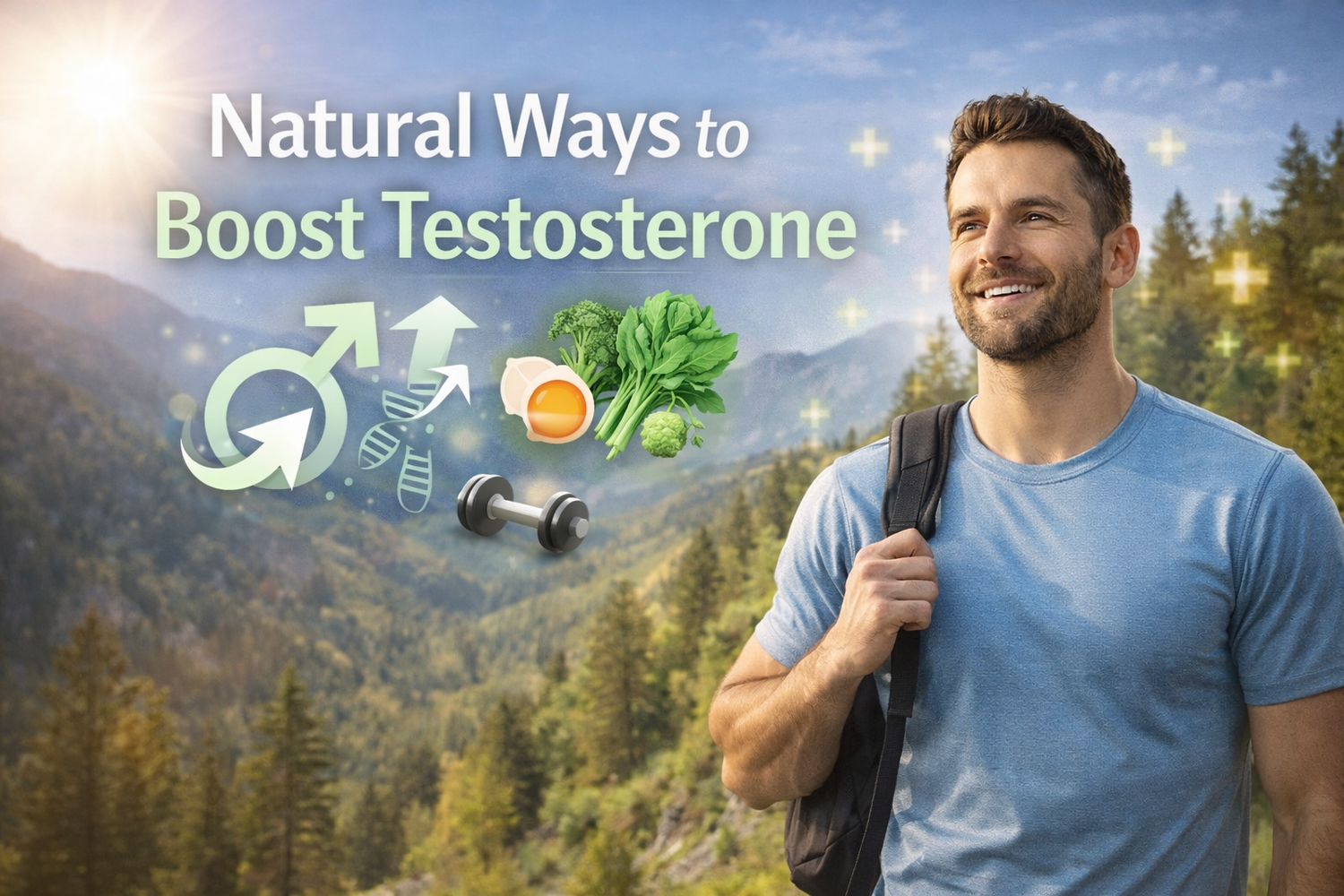
Hormonal balance is at the core of male wellness, and testosterone plays a lead role. But before reaching for synthetic solutions, it's worth exploring the natural strategies that support testosterone optimization from within. This article lays out time-tested, evidence-backed lifestyle changes and wellness tips that may help men regain energy, libido, and drive.
Quick Summary: What You'll Learn
-
The connection between physical activity and hormone balance
-
Which foods and nutrients support androgen levels
-
How environmental toxins might be silently sabotaging your hormones
-
Why sleep and stress management are just as critical as diet
-
Which lifestyle habits could be holding your testosterone back
-
Where natural supplements and enhancements fit in the bigger picture
-
Internal links to support products like testosterone boosters and penis pumps for complete male health support
The Modern Man’s Testosterone Dilemma
Low testosterone symptoms like fatigue, low libido, mood swings, and stubborn weight gain don’t just hit older men. Thanks to modern stressors, endocrine disruptors, poor sleep, and high body fat percentages, even younger men are experiencing testosterone deficiency. The good news? You’re not stuck with it.
If you’re looking to reclaim your vigor, strength, and confidence, it begins with everyday habits that signal your body to produce more of its own testosterone naturally.
Movement That Builds More Than Muscle
One of the most effective ways to encourage higher androgen levels is through structured movement—especially strength-based routines.
"Lifting weights isn’t just about aesthetics—resistance training has been shown to increase testosterone levels, especially when combined with progressive overload."
Effective training styles include:
-
Weightlifting (compound lifts like squats, deadlifts, and bench press)
-
HIIT (short bursts of intense activity with minimal rest)
-
Bodyweight strength training (push-ups, pull-ups, dips)
-
Regular physical activity (walking, hiking, swimming)
These styles activate large muscle groups and create an anabolic environment, promoting both muscle growth and hormone release. If you’re starting from scratch, consistency is key—even light activity trumps a sedentary lifestyle.
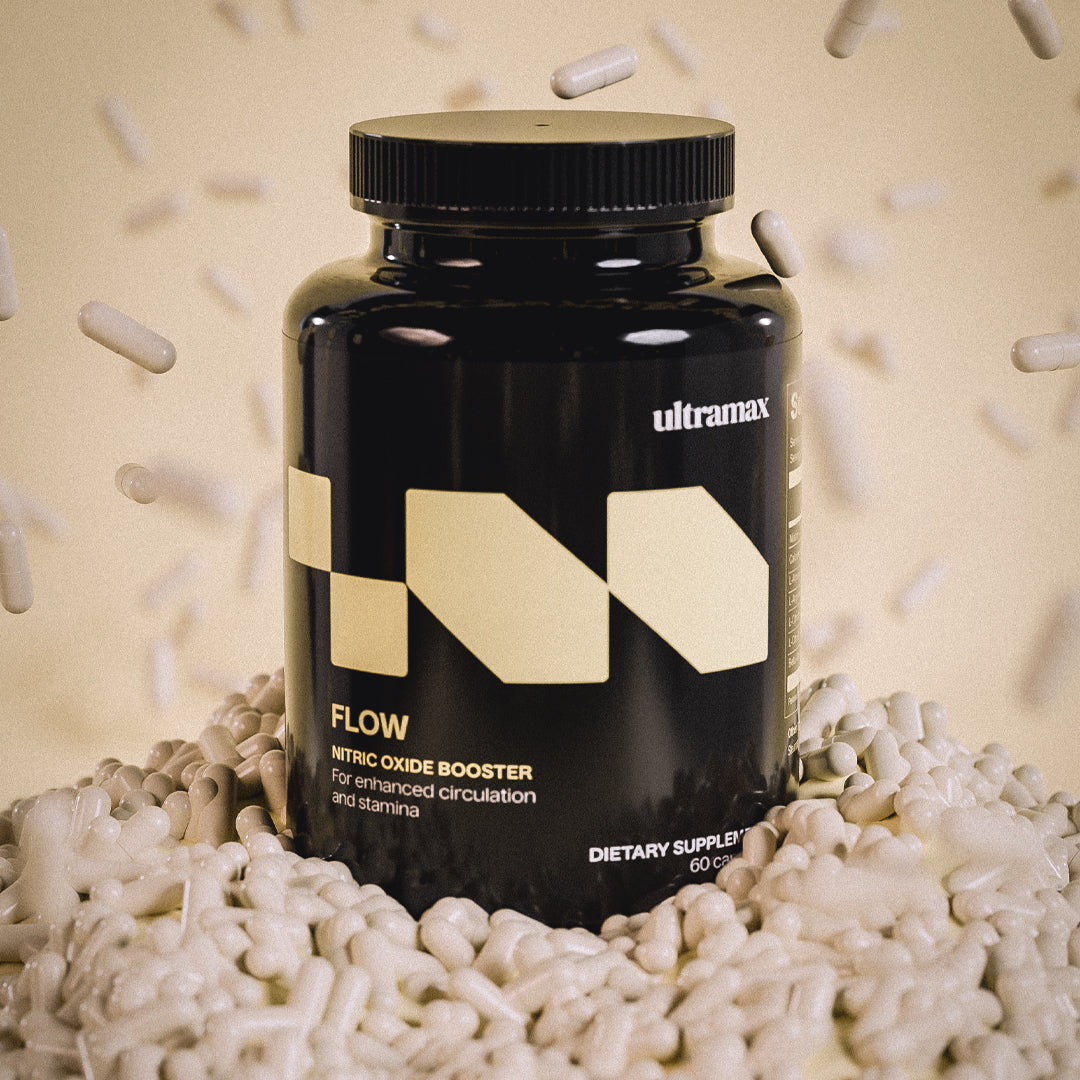
To support post-workout recovery and vasodilation (blood flow), some men pair their training with products like the Flow Nitric Oxide Booster, which may help improve circulation and endurance.
Eat for Hormonal Fuel: Diet, Not Dogma
Nutrition is more than calories—it’s biochemical messaging. Certain nutrients play a central role in regulating androgen levels, and the right dietary pattern can turn your body into a testosterone-producing machine.
Key Nutrients for Testosterone Support:
-
Protein intake: Essential for lean mass and hormone balance (think grass-fed meats, eggs, legumes)
-
Healthy fats: Found in avocado, olive oil, nuts, and fatty fish like salmon
-
Zinc and Magnesium: Both linked to testosterone production and sperm health
-
Vitamin D: Often deficient, but crucial for hormone creation
“Low-fat diets and extreme calorie deficits may reduce testosterone. Whole foods rich in healthy fats and micronutrients offer long-term hormonal support.”
Consider tracking your intake of these nutrients and supplementing where needed. Products in the Elite Male Wellness supplement collection include targeted formulas that may help address gaps in modern diets.
For instance, Rise Testosterone Booster includes zinc, vitamin D, and herbal compounds traditionally associated with hormone balance.
Sleep: The Forgotten Hormone Enhancer
Testosterone production happens largely during deep, restful sleep. Men who average fewer than 6 hours of quality rest per night are at significant risk for hormone disruption.
Sleep tips for testosterone release during sleep:
-
Stick to a consistent schedule (respect your circadian rhythm)
-
Aim for 7 to 9 hours of high-quality rest
-
Block blue light from screens an hour before bed
-
Keep your room cool and dark
“Sleep is the time your body performs hormone repair and release. Skimping on rest interrupts the process, no matter how perfect your diet or workout routine is.”
Improving sleep quality often requires stress management, which leads us to the next crucial pillar of male wellness…
Stress Is Stealing Your Testosterone
Chronic stress elevates cortisol—your body’s primary stress hormone. When cortisol stays high, testosterone drops, creating a cascade of effects including low libido, irritability, and weight gain.
Stress-relieving techniques:
-
Breathwork and meditation
-
Regular physical activity
-
Journaling or cognitive behavioral therapy
-
Digital detoxes to reduce information overload
Even something as simple as unplugging for 15 minutes or going for a walk outdoors can help lower cortisol and support hormone balance. The connection is physiological, not just emotional.
If you're experiencing low sex drive or difficulty with libido enhancement due to chronic stress, consider browsing our line of Hydropumps for a non-invasive, natural tool to support sexual wellness.
Environmental Hormone Killers: What You Don’t See Can Hurt You
One of the most overlooked culprits behind low testosterone symptoms is environmental exposure to hormone-disrupting chemicals. Known as endocrine disruptors, these substances can mimic estrogen in the body or interfere with testosterone synthesis entirely.
Common sources include:
-
Plastics (especially containers containing BPA)
-
Canned foods (lined with BPA resins)
-
Parabens and phthalates (found in grooming products)
-
Pesticides on non-organic produce
“A small daily exposure adds up. Over time, these toxins can hijack your hormonal system and disrupt normal androgen levels.”
How to reduce exposure:
-
Store food in glass or stainless steel
-
Switch to natural personal care products
-
Buy organic when possible
-
Never microwave plastic containers
This level of lifestyle cleaning isn’t glamorous, but it pays off. Reducing BPA exposure is a foundational strategy in restoring male hormone health.
Alcohol, Drugs & Testosterone: The Dark Side of Relaxation
It only takes a few days of moderate drinking to measurably lower testosterone levels. Alcohol interferes with the endocrine system and increases estrogen production. The more frequent or heavy the drinking, the greater the hormonal impact.
Add in recreational drugs, and the situation worsens. Many substances impair reproductive function, reduce testicular size, or disrupt natural hormone signals.
Even prescription drugs like statins (used for cholesterol) have been shown to negatively affect testosterone in some men.
Suggestions:
-
Limit alcohol to special occasions
-
Avoid binge drinking entirely
-
Speak with your doctor about the side effects of current medications
-
Consider alternatives or lifestyle interventions for issues like cholesterol or anxiety
If you’ve already made changes to alcohol or drug use and are still experiencing symptoms, it may be time to consider a more targeted approach like Desire Virility Support, a natural formula designed to help restore drive and performance.
Herbal Supplements: Nature’s Assistants (But Not Magic Pills)
There’s no shortage of products marketed as natural testosterone boosters, but not all are created equal. Some herbs show real promise in human trials, especially for those with deficiencies, while others are under-researched or overhyped.
Backed-by-science herbal ingredients:
-
Ginger: May support testosterone production and sperm health
-
Shilajit: An ancient Ayurvedic compound linked to improved energy and hormone levels
-
Horny Goat Weed (Icariin): Traditionally used for libido enhancement, possibly supports androgen levels
-
Ashwagandha: May reduce cortisol and improve hormone balance indirectly
“These herbs are not overnight fixes, but they can support your body’s natural processes when combined with lifestyle changes.”
You’ll find several of these ingredients in elite blends like the Rise Testosterone Booster, formulated with both modern science and traditional wisdom in mind.
For those more interested in daily performance support, not just hormone levels, check out the full Supplement Collection tailored to male vitality and recovery.
Lifestyle Upgrades That Make a Difference
Beyond fitness and food, your daily rhythm and recovery patterns shape your hormone profile more than you might think. Testosterone isn't just a hormone — it's a signal of your body's overall readiness and resilience.
Additional lifestyle strategies for testosterone optimization:
-
Intermittent fasting: May improve insulin sensitivity and promote fat loss, indirectly supporting testosterone
-
Circadian rhythm alignment: Exposure to natural light in the morning and darkness at night supports hormone production
-
Regular sexual activity: A healthy sex life can actually help regulate sex hormone levels in both men and women
-
Cold exposure (e.g. cold showers or cryotherapy): Some emerging research suggests this may aid hormonal response
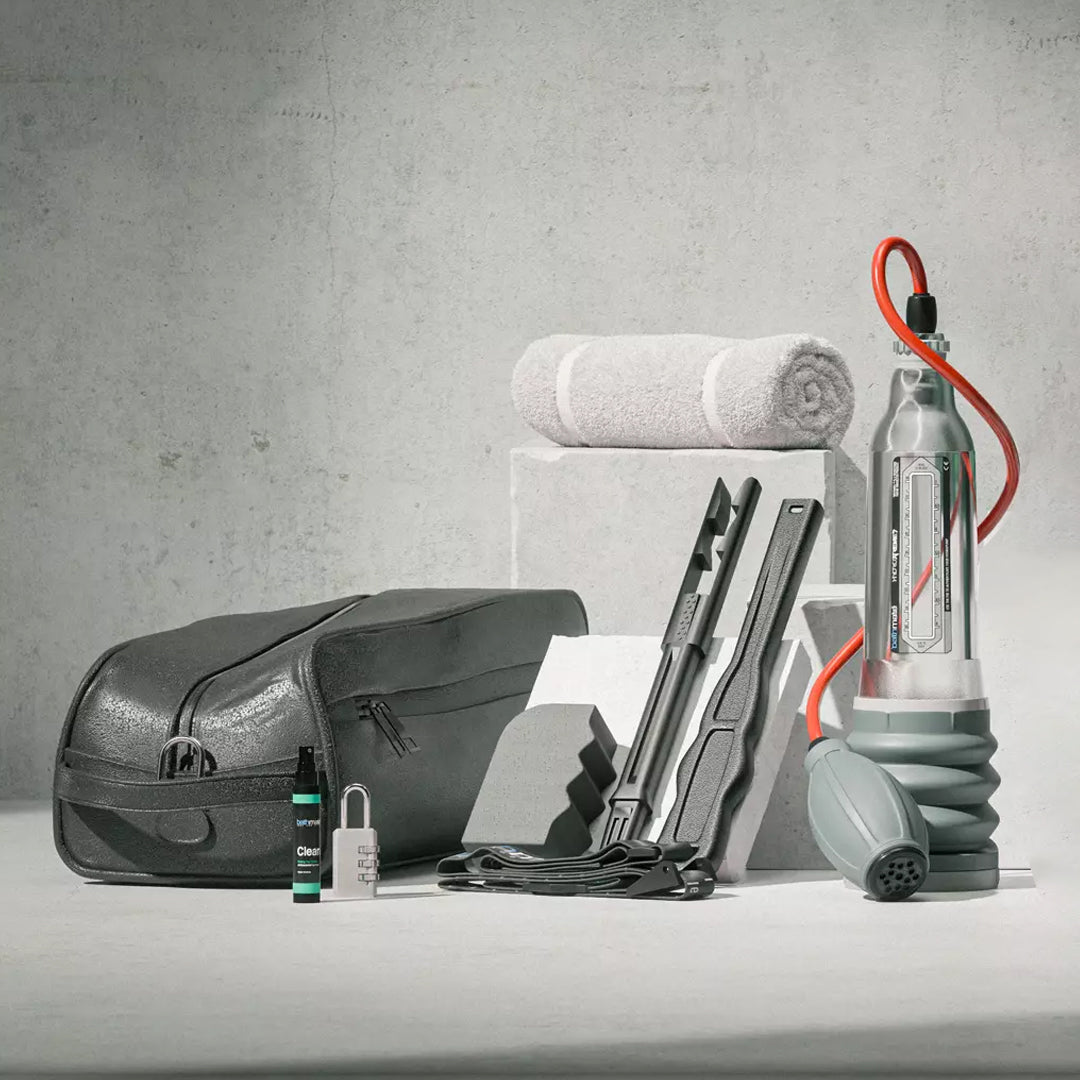
Pairing these methods with external support tools—like Bathmate HydroXtreme, designed to promote blood flow and performance—can create a holistic strategy that supports libido enhancement and long-term health.
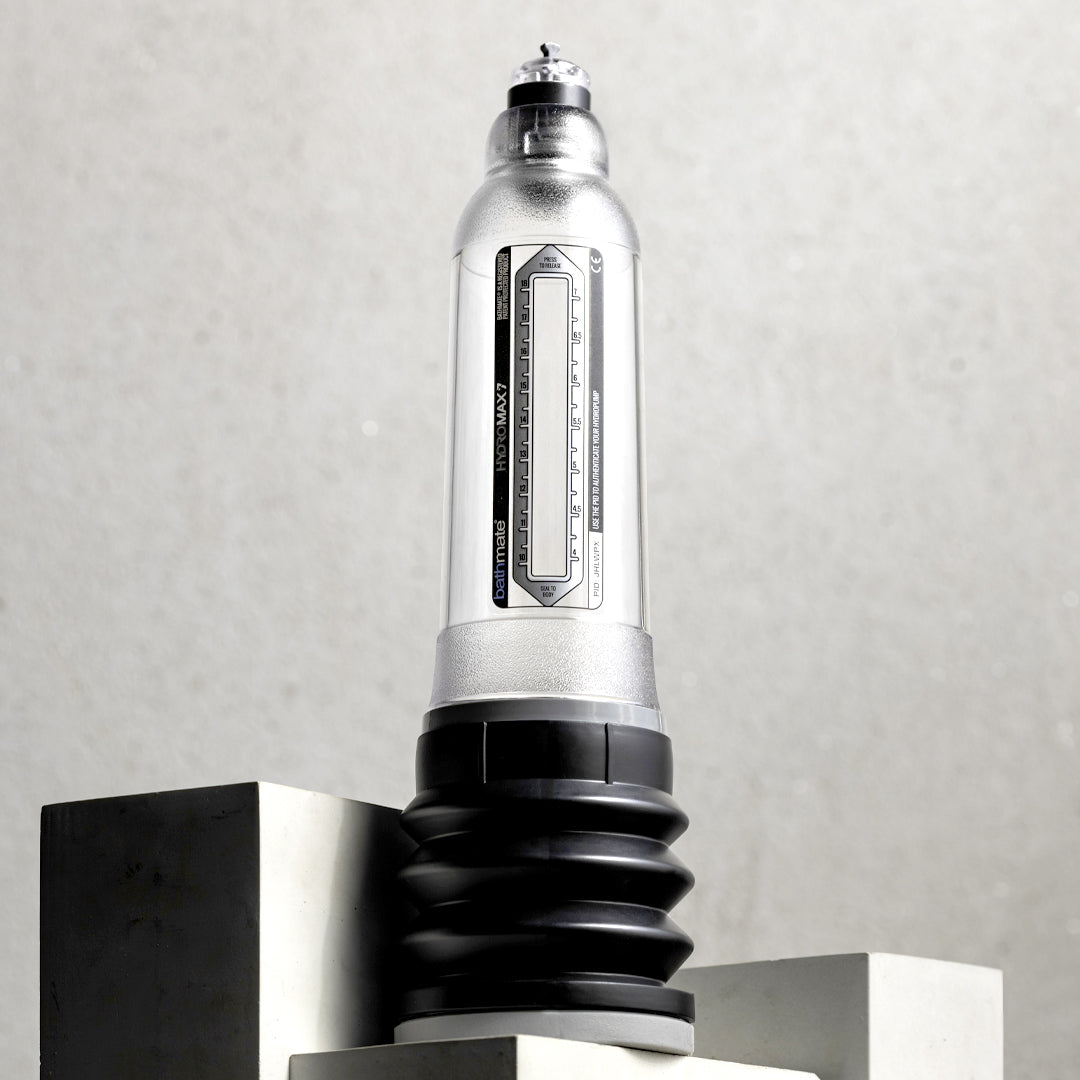
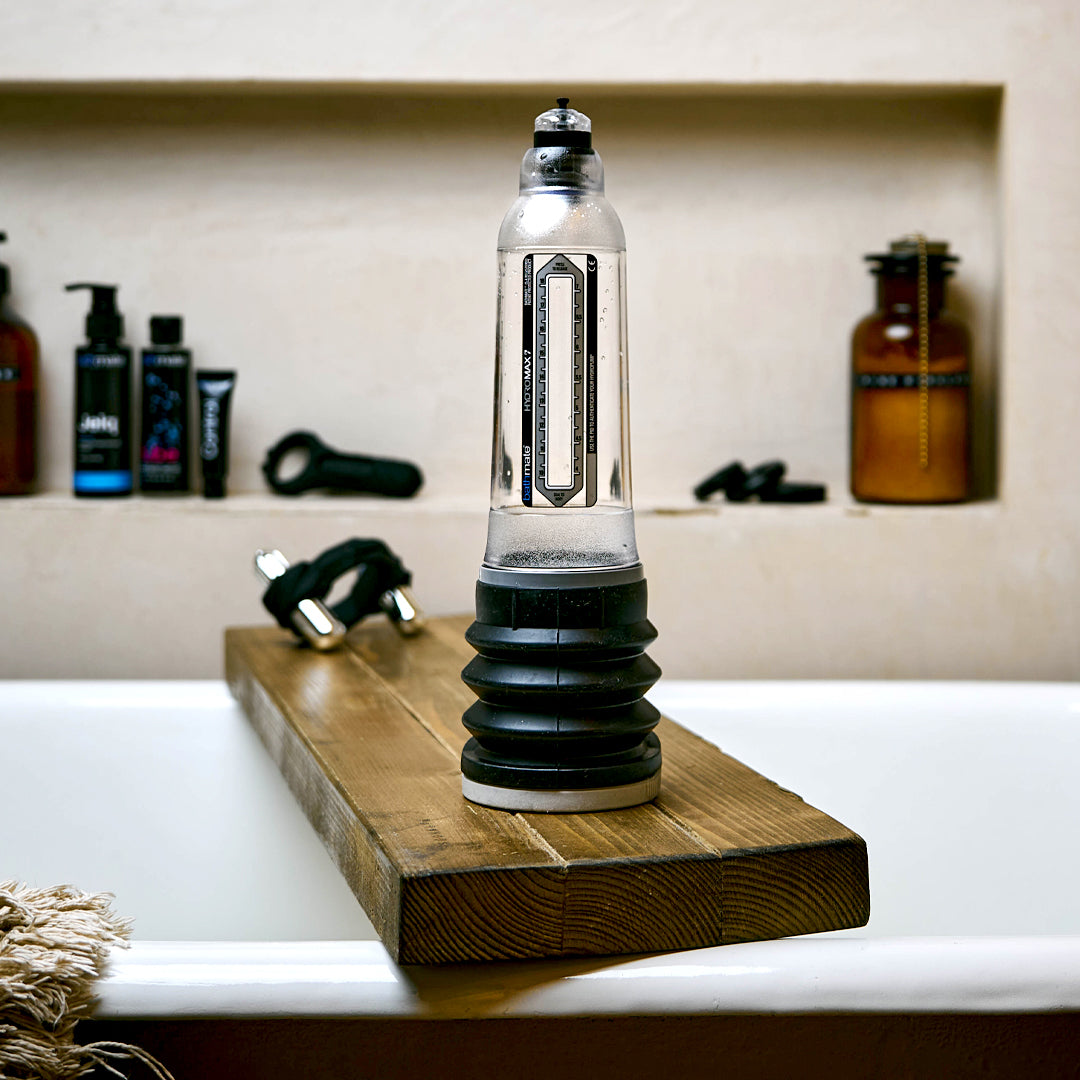
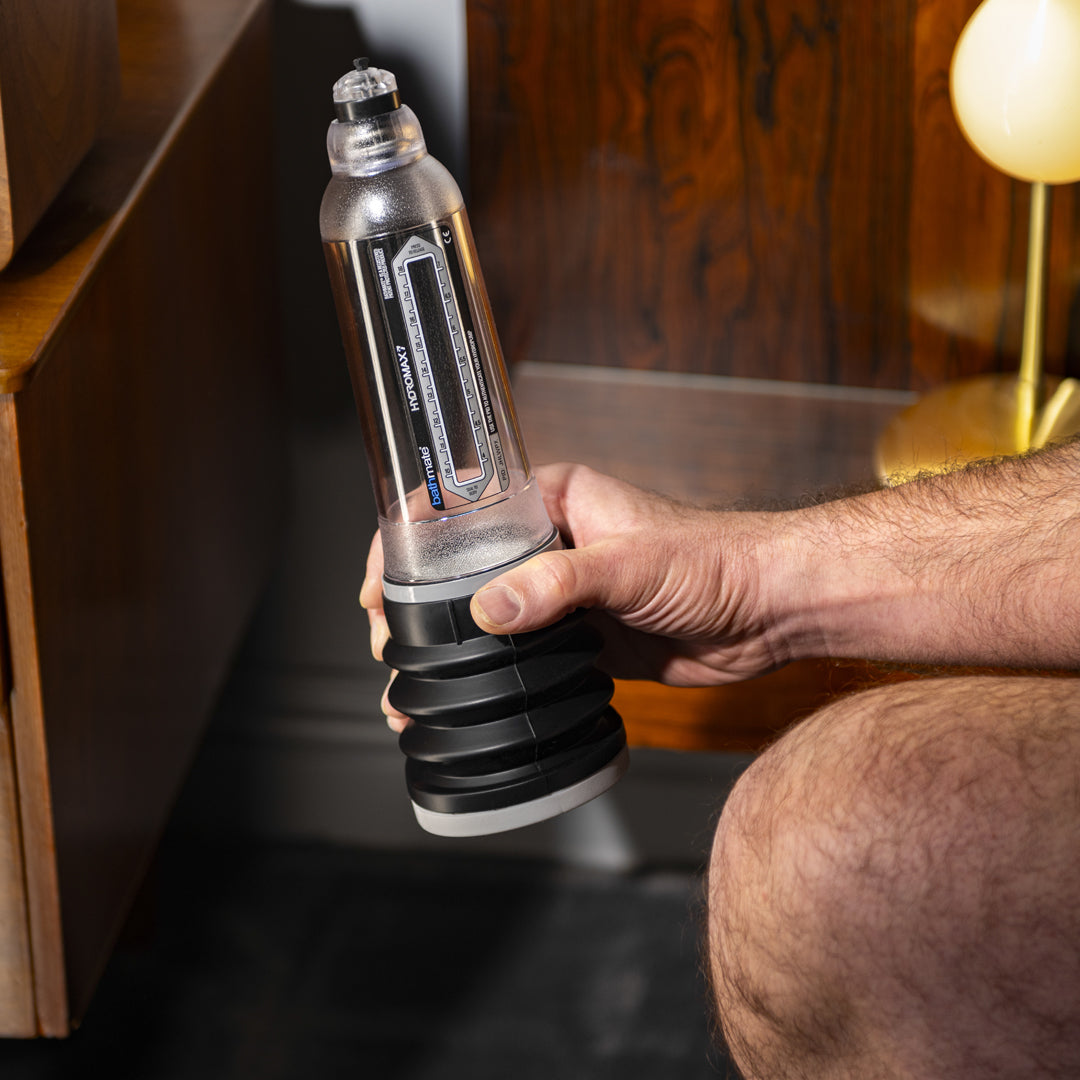
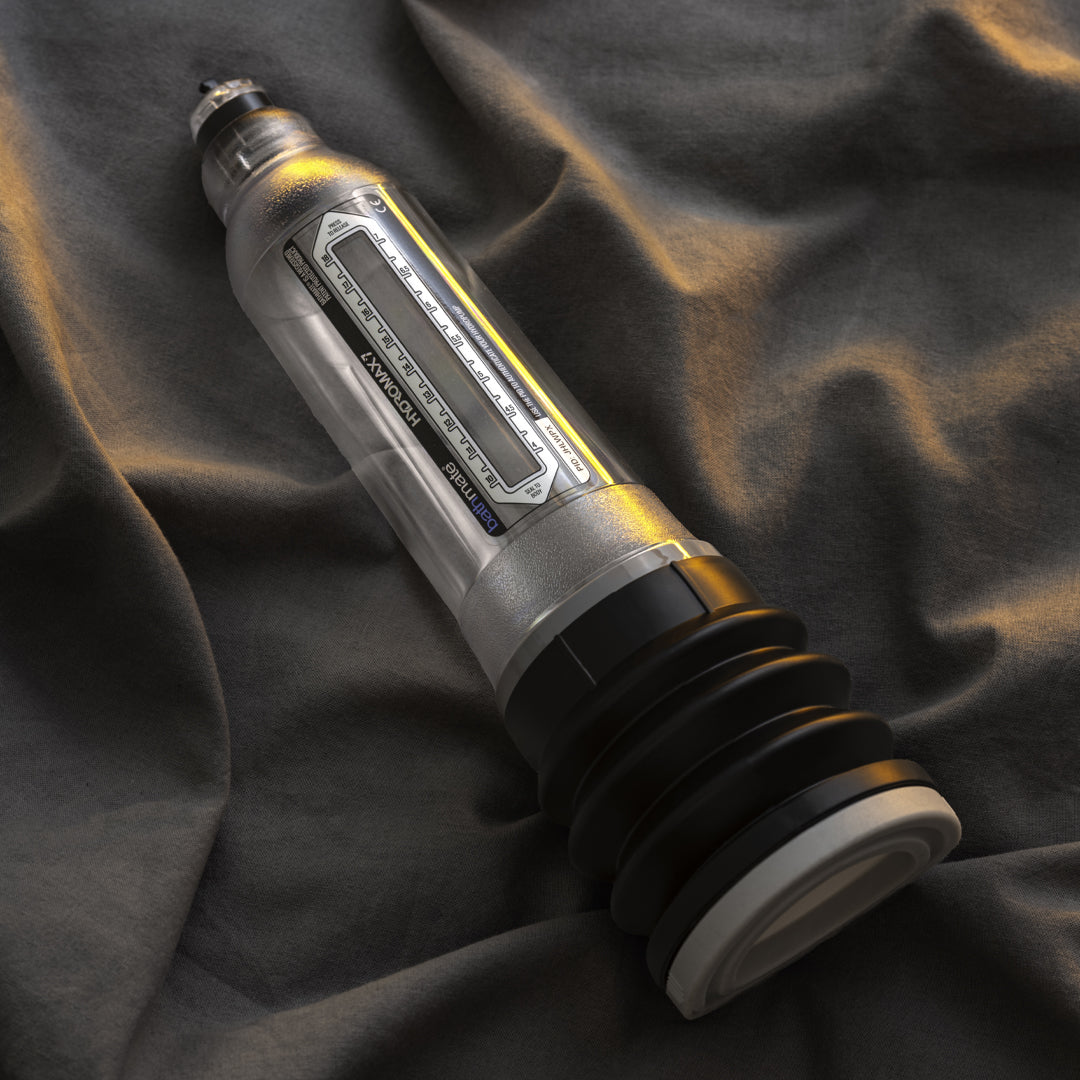
If you're new to enhancement tools, Hydro7 offers a beginner-friendly entry into hydropump therapy, promoting improved function over time without drugs.
A Weekly Blueprint to Optimize Testosterone Naturally
You’ve seen the science and strategies. Now, how do you put it all together without getting overwhelmed?
Here’s a weekly structure that incorporates the best practices from this guide into a sustainable routine:
🗓️ Weekly Testosterone Optimization Plan
Daily:
-
Prioritize 7–9 hours of quality sleep
-
Eat whole foods rich in healthy fats, protein, zinc, and magnesium
-
Get at least 20 minutes of sunlight or take a vitamin D supplement
-
Avoid processed plastics and BPA exposure
-
Limit alcohol and completely avoid recreational drugs
3–4 Times/Week:
-
Perform resistance training or bodyweight strength exercises
-
Add HIIT or sprint intervals to 1–2 sessions
-
Include stress-relieving techniques (breathwork, journaling, or meditation)
1–2 Times/Week:
-
Use your Hydropump for vascular health and sexual wellness
-
Consider intermittent fasting on non-training days
-
Cook meals that support hormone health (salmon, eggs, spinach, nuts, olive oil)
Weekly Check-In:
-
Monitor energy, focus, mood, and libido
-
Track your training and recovery balance
-
Reflect on any exposure to endocrine disruptors
-
Adjust lifestyle inputs based on how your body responds
“Sustainable testosterone optimization isn’t about doing everything perfectly — it’s about consistent action that creates hormonal momentum.”
Don’t Fall for These Testosterone Myths
In a world of conflicting advice and late-night supplement ads, it’s easy to get misled. Let’s clear the air.
⚠️ Common Testosterone Myths — Debunked
-
“Only older men have low testosterone.”
False. Testosterone deficiency is affecting men as young as their 20s due to chronic stress, poor sleep, and environmental toxins.
-
“More testosterone is always better.”
Not true. It’s about balance, not extremes. Very high levels can create side effects just like too little.
-
“One supplement will fix everything.”
Nope. Products like Desire Virility Support work best in synergy with lifestyle changes.
-
“Fat is bad for testosterone.”
Quite the opposite. Healthy fats (like omega-3s, nuts, avocado) are essential for testosterone synthesis.
-
“All testosterone issues need medication.”
Sometimes medical intervention is necessary, but many men see improvements through natural methods alone.
When to See a Doctor
If you’ve made consistent lifestyle changes for 3–6 months and still experience persistent symptoms like:
-
Low sex drive
-
Fatigue despite good sleep
-
Mood swings or irritability
-
Muscle loss and fat gain
-
Erectile challenges
…it’s time to consult a healthcare provider. Blood testing can assess androgen levels and uncover any deeper imbalances.
If you're unsure where to start or want a safe and supportive first step, Hydro7 is a popular beginner tool to help support circulation, confidence, and recovery — all of which complement internal hormone work.
Elite Male Wellness: Your Partner in Performance
At Elite Male Wellness, we’re more than just a store — we’re a resource for men who want to feel powerful, perform better, and live fully.
Our curated range of supplements, hydropumps, and performance tools is backed by evidence, designed for results, and built for men who take their health seriously.
Whether you're:
-
Rebuilding hormone balance
-
Seeking natural libido support
-
Enhancing erection quality and confidence
-
Or just reclaiming your edge
…we’re here to help you rise.
Final Thoughts
The path to hormonal health isn’t a sprint — it’s a steady climb.
By moving more, eating smarter, sleeping deeper, stressing less, and choosing clean supplements and sexual wellness tools, you stack the odds in your favor for better testosterone, better performance, and a better life.
Start where you are. Small wins compound. And with the right strategy and support, your best self isn’t behind you — it’s right around the corner.
FAQ: Natural Testosterone Support
1. What is the best age to start focusing on testosterone health?
Most men begin to experience a natural decline in testosterone after age 30, but environmental factors can impact levels much earlier. It’s wise to start building healthy habits in your 20s to support long-term male hormone health and performance.
2. Can low testosterone affect my mental health?
Yes. Testosterone deficiency has been linked to symptoms such as brain fog, low motivation, irritability, and even depression. Hormones play a significant role in emotional regulation and cognitive performance.
3. Are cold showers or cryotherapy good for testosterone?
Emerging research suggests that cold exposure may help reduce inflammation, enhance recovery, and support hormonal balance, including modest boosts in testosterone. While not a magic fix, it can be a useful addition to your wellness toolkit.
4. Does masturbation or frequent sex lower testosterone?
There’s no strong evidence that sexual activity or masturbation lowers baseline testosterone. In fact, regular sexual engagement may support healthy androgen levels and promote a healthy libido enhancement cycle.
5. Can testosterone be boosted through meditation or breathwork?
Indirectly, yes. Techniques like meditation, breathwork, and mindfulness help reduce cortisol (your stress hormone), which in turn can support more optimal testosterone production.
6. Is being overweight linked to low testosterone?
Absolutely. Excess body fat, especially around the abdomen, is associated with lower testosterone and higher estrogen levels. Fat tissue contains an enzyme (aromatase) that converts testosterone into estrogen, disrupting hormone balance.
7. Does caffeine affect testosterone levels?
In moderation, caffeine may actually support testosterone by increasing alertness and workout performance. However, excessive intake, especially when combined with poor sleep, can increase stress hormones, negatively affecting androgen levels.
8. Can I take a natural testosterone booster alongside a hydropump?
Yes. Tools like the Bathmate HydroXtreme or Hydropump range target blood flow and physical performance, while natural supplements like Rise Testosterone Booster work internally. Used together, they can support both hormonal and vascular wellness.
9. Can intermittent fasting improve testosterone levels?
Some studies suggest that intermittent fasting may enhance insulin sensitivity, support fat loss, and improve hormone balance, especially when paired with strength training and adequate nutrient intake.
10. How long does it take to see results from natural testosterone strategies?
Results vary, but with consistent habits, many men begin to notice improvements in energy, mood, and libido within 4–8 weeks. More significant changes in muscle mass, fat loss, or sexual performance may take 3–6 months.


Leave a comment
This site is protected by hCaptcha and the hCaptcha Privacy Policy and Terms of Service apply.