

If you want to improve blood circulation where it matters most, the answer isn’t just one exercise—it’s a system. The most effective approach combines low-impact cardio (like walking and cycling), targeted lower body circulation exercises (such as calf raises and ankle pumps), strength training, and mobility work. Together, these methods activate the calf muscle pump, improve venous return, and increase oxygenated blood flow to the legs, pelvis, and groin.
Consistent movement, proper hydration, and strategic tools like nitric oxide boosters and specialized devices can further enhance results. Whether your goal is performance, vascular health, or addressing sedentary lifestyle circulation problems, optimizing blood flow below the belt starts with daily, intentional movement.
Why Blood Flow Below the Belt Matters More Than You Think
Most men underestimate how critical vascular circulation is to overall performance, confidence, and long-term health. Blood flow isn’t just about movement—it’s about nutrient delivery to tissues, oxygenation, and proper venous function.
When circulation slows down, especially in the lower body, several issues can creep in:
- Poor circulation in legs and feet
- Reduced pelvic blood flow
- Fatigue and heaviness in the lower limbs
- Decreased performance and responsiveness
At the core of this is a simple physiological truth:
Strong circulation equals strong function.
The lower half of your body relies heavily on something called the calf muscle pump—a natural mechanism that pushes blood back toward the heart. Without regular activation through movement, blood can pool in the legs, reducing efficiency where it matters most.
The Circulation Blueprint: How Blood Flow Actually Works
To truly benefit from blood flow exercises, you need to understand what’s happening beneath the surface.
Key Mechanisms That Drive Circulation
- Venous Return – Blood traveling back to the heart
- Muscle Pump Effect – Muscle contractions pushing blood upward
- Lymphatic Drainage – Removal of waste and toxins
- Oxygenated Blood Flow – Delivery of oxygen and nutrients
When you perform lower body circulation exercises, you’re not just “working out”—you’re actively improving:
- Vascular efficiency
- Tissue health
- Hormonal response
- Pelvic and groin blood flow
This is why the right workouts for better circulation can have such a noticeable impact.
Foundation First: Movement-Based Blood Flow Exercises
Before diving into advanced routines, it’s essential to build a base with daily movement for blood flow. These are simple, sustainable, and incredibly effective.
1. Walking for Circulation
Walking is one of the most underrated ways to boost blood flow naturally.
Activates the calf muscle pump
Improves circulation in feet and legs
Reduces blood pooling
Enhances cardiovascular exercise circulation
A brisk 20–30 minute walk daily can dramatically improve lower body circulation workouts without overcomplicating your routine.
2. Cycling for Blood Flow
Cycling—whether outdoors or stationary—is excellent for:
- Increasing blood flow to legs
- Strengthening lower body muscles
- Supporting vascular health
It’s also a powerful low-impact cardio circulation method, making it ideal for consistent use without joint strain.
3. Swimming and Fluid Movement
Swimming introduces a unique advantage: hydrostatic pressure, which naturally supports circulation.
- Encourages full-body blood flow
- Enhances lymphatic drainage
- Reduces swelling in lower limbs
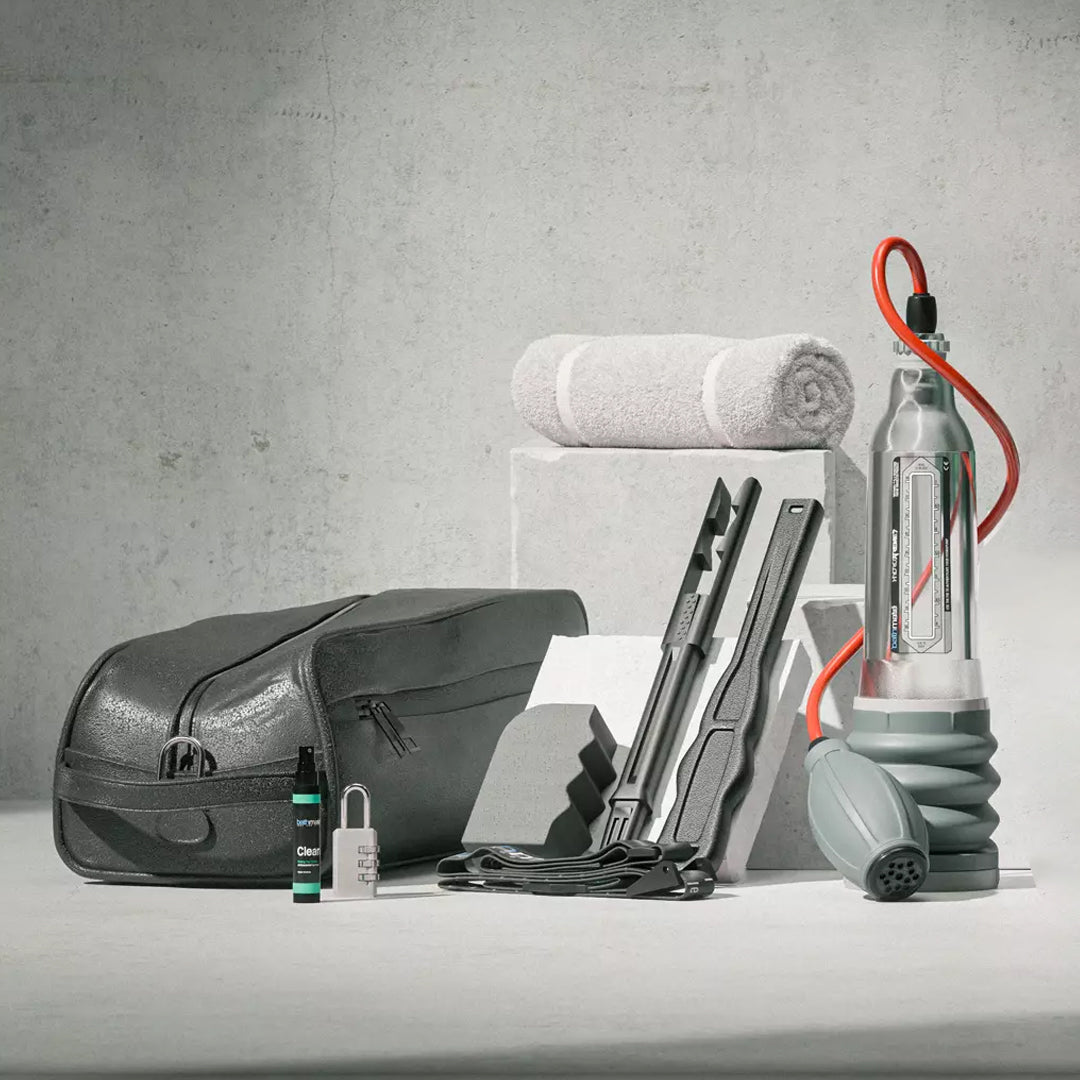
Interestingly, this same principle is why water-based tools like the
Bathmate HydroXtreme
have gained attention—they combine pressure and circulation to amplify results in targeted areas.
4. Yoga and Pilates for Circulation
Both yoga and pilates emphasize controlled movement, breathing, and flexibility—all crucial for improving vascular circulation.
Key benefits include:
- Improved pelvic blood flow
- Enhanced flexibility and circulation
- Reduced tension in the hips and groin
- Better posture and circulation
Movements like downward dog, lunges, and leg elevation exercises directly support blood movement through the lower body.
The Hidden Link: Sedentary Lifestyle and Circulation Problems
Modern life is engineered for sitting—and that’s a major problem.
Long periods of inactivity can:
- Reduce venous return
- Cause blood pooling in the legs
- Limit oxygenated blood flow
- Contribute to swollen feet circulation issues
Over time, this can impact not just your legs—but your entire lower pelvic system.
Simple Fixes That Make a Big Difference
- Stand and move every 30–60 minutes
- Add short walks throughout the day
- Use seated foot pumps or ankle rotations
- Prioritize posture and circulation alignment
Even small changes can significantly improve circulation for men’s health.
Enhancing Blood Flow Beyond Exercise
Exercise is the foundation—but optimization takes things further.
Nitric Oxide: The Circulation Accelerator
Nitric oxide plays a crucial role in vasodilation, allowing blood vessels to expand and carry more blood.
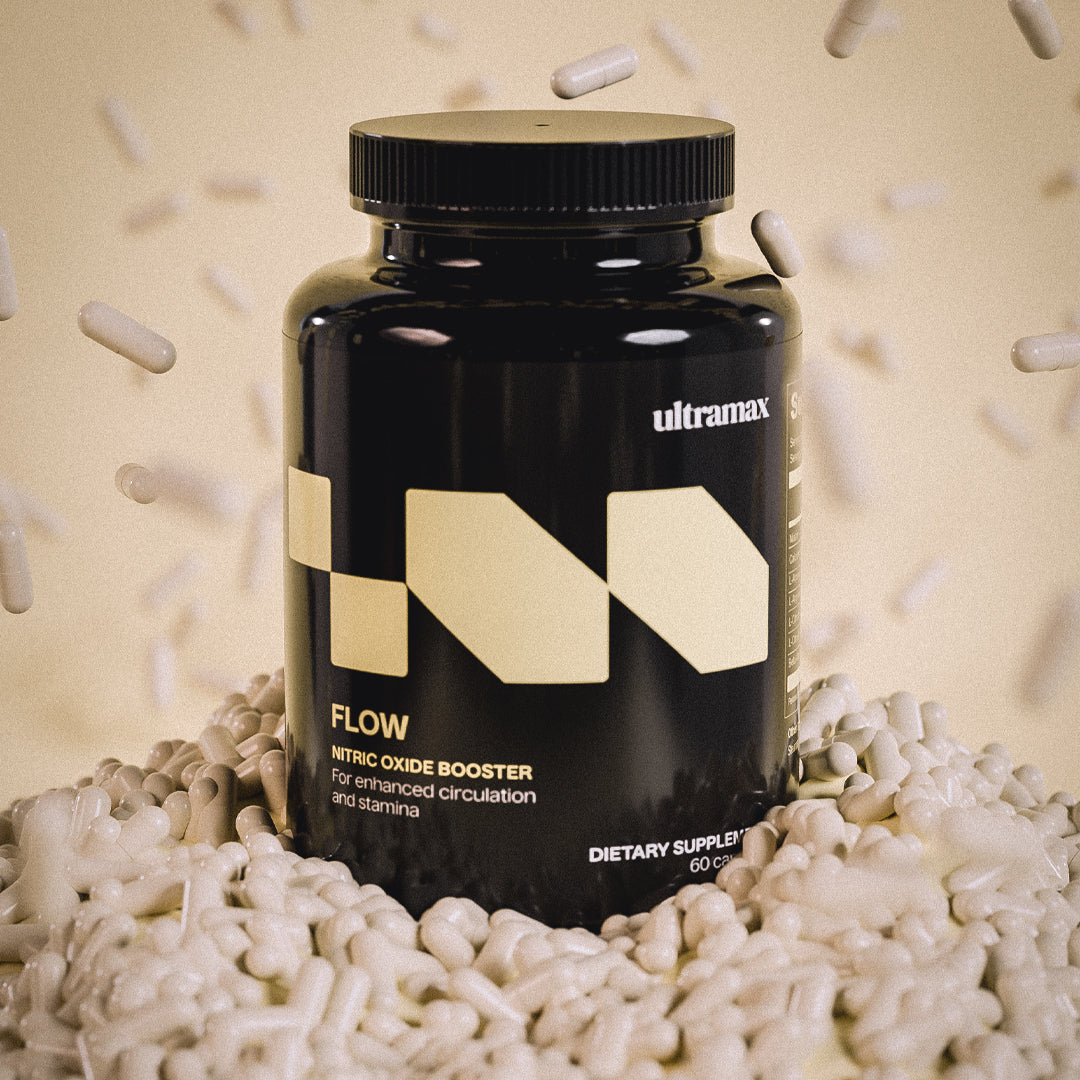
Supplementing with a targeted formula like Flow Nitric Oxide Booster
can support:
- Faster blood flow
- Improved vascular response
- Enhanced workout performance
- Better delivery of oxygen and nutrients
This creates a powerful synergy when combined with blood flow training.
Supporting Hormonal and Physical Performance
Circulation doesn’t operate in isolation—it’s connected to hormonal balance and overall vitality.
Products like:
can complement your routine by supporting energy, drive, and circulation for men’s health, especially when paired with consistent movement.
Targeted Exercises to Drive Maximum Blood Flow
Now that the foundation is in place, it’s time to move from general movement into precision-based lower body circulation exercises. This is where real transformation happens—when you deliberately activate the muscles and mechanisms responsible for pushing blood into the legs, pelvis, and groin.
These are not random movements. Each one is designed to amplify the muscle pump effect, improve venous return, and enhance oxygenated blood flow exactly where you want it.
The Calf Muscle Pump: Your Built-In Circulation Engine
Before jumping into exercises, it’s important to understand why the lower body responds so well to targeted training.
The calf muscle pump is often referred to as the “second heart” of the body. Every time your calf muscles contract, they push blood upward against gravity.
No activation = sluggish circulation
Frequent activation = continuous blood flow optimization
This is why leg circulation exercises are so effective—they directly influence how efficiently blood moves through your entire lower half.
Essential Lower Body Circulation Exercises
These movements are simple, effective, and can be done almost anywhere. Together, they form the backbone of workouts for better circulation.
1. Calf Raises (The Circulation Powerhouse)
If you only had time for one movement, this would be it.
Why it works:
- Maximizes calf muscle pump activation
- Helps reduce blood pooling
- Increases blood flow to legs and feet
How to do it:
- Stand upright with feet shoulder-width apart
- Raise your heels until you’re on your toes
- Slowly lower back down
- Repeat for 15–25 reps
Pro tip: Perform these throughout the day to continuously boost blood flow naturally.
2. Ankle Pumps & Foot Circles (Underrated but Powerful)
These are some of the most overlooked yet effective exercises for blood circulation.
Benefits:
- Improve circulation in feet
- Stimulate small blood vessels
- Ideal for sedentary lifestyle circulation problems
How to do them:
- Ankle pumps exercise: Flex and point your feet repeatedly
- Foot circles exercise: Rotate ankles clockwise and counterclockwise
These can be done seated, making them perfect for office environments.
3. Toe Curls & Heel Raises
Small movements, big impact.
Why they matter:
- Activate foot and lower leg muscles
- Improve vascular circulation in extremities
- Support lymphatic drainage
Execution:
- Curl your toes tightly, hold for 3 seconds
- Release and repeat
- Combine with heel raises for added effect
4. Leg Lifts & Leg Elevation Exercises
Gravity can either work against you—or for you.
Leg elevation circulation benefits:
- Reduces blood pooling
- Enhances venous return
- Relieves pressure in lower limbs
How to do it:
- Lie down and raise your legs above heart level
- Hold for 5–10 minutes
For added benefit, combine this with tools from the
HydroPumps Collection,
which use controlled pressure to further encourage targeted blood flow.
5. Squats for Circulation (Full-System Activation)
Squats are one of the most effective compound lifts for circulation.
Why they work:
- Engage glutes, hamstrings, and quads
- Drive massive blood flow through the lower body
- Enhance pelvic and groin blood flow
How to perform:
- Stand with feet shoulder-width apart
- Lower into a squat position
- Push through your heels to stand back up
- Repeat for 10–15 reps
This is a cornerstone of lower body strength for blood flow.
6. Sit-to-Stand Exercise (Functional and Effective)
Simple, functional, and surprisingly powerful.
Benefits:
- Encourages daily movement for blood flow
- Activates multiple muscle groups
- Supports circulation for men’s health
How to do it:
- Sit in a chair
- Stand up without using your hands
- Sit back down slowly
- Repeat for 10–20 reps
Mobility & Stretching: Unlocking Flow Through Flexibility
Strength and movement are only part of the equation. Tight muscles restrict circulation—mobility unlocks it.
Key Stretching Movements for Blood Flow
Downward Dog (Yoga for Circulation)
- Encourages blood movement toward the upper body
- Stretches calves and hamstrings
- Improves overall vascular circulation
Lunges for Circulation
- Open up the hips
- Enhance groin blood flow
- Promote flexibility and circulation
Toe Touch Stretch
- Targets hamstrings
- Supports nutrient delivery to tissues
- Encourages oxygenated blood flow
Legs Up the Wall Pose
- One of the best passive ways to improve venous return
- Reduces swelling
- Ideal before bed
Pelvic & Groin Blood Flow: The Missing Piece
Most routines ignore this area entirely—but it’s critical.
To truly optimize blood flow below the belt, you need to include:
- Pelvic floor circulation exercises
- Hip mobility blood flow drills
- Glute activation movements
These help:
- Improve pelvic blood flow
- Support erectile blood flow exercises
- Enhance overall responsiveness and performance
Resistance Training & Blood Flow Optimization
Adding resistance amplifies everything.
Why Resistance Training Works
- Increases muscle contraction intensity
- Drives more blood into working tissues
- Enhances vascular adaptation over time
You don’t need a full gym setup—simple tools and consistency are enough.
Pairing resistance-based routines with targeted supplementation from the
Supplements Collection
can further support blood flow optimization exercises and recovery.
Building Your Daily Circulation Routine
Consistency beats intensity. The goal is to keep blood moving throughout the day.
Example Routine
Morning:
- 5 minutes ankle pumps & foot circles
- 10 minutes walking
Midday:
- 3 sets of calf raises
- Sit-to-stand exercise
Evening:
- Squats or light resistance training
- Stretching for blood flow
- Leg elevation exercise
Advanced Strategies to Maximize Blood Flow and Performance
At this point, you’ve built a strong foundation—movement, targeted activation, and mobility. Now it’s time to refine everything into a high-performance system designed to maximize blood flow, enhance responsiveness, and sustain long-term results.
This is where circulation becomes intentional, not incidental.
From Exercise to Optimization: The Performance Shift
Basic blood flow exercises improve circulation. But advanced strategies focus on:
- Increasing vascular efficiency
- Enhancing nitric oxide production
- Maximizing blood flow to the pelvic region
- Improving recovery and responsiveness
The goal is no longer just movement—it’s precision-driven blood flow optimization.
Nitric Oxide Training: The Circulation Multiplier
Nitric oxide (NO) is one of the most powerful tools for improving vascular circulation. It relaxes blood vessels, allowing more blood to flow with less resistance.
How to Naturally Boost Nitric Oxide
1. High-Rep Resistance Training
- Promotes vasodilation
- Increases muscle pump exercises effectiveness
- Enhances oxygenated blood flow
2. Short Burst Cardio (HIIT for Circulation)
- Rapidly increases heart rate
- Forces blood through the vascular system
- Improves overall cardiovascular exercise circulation
3. Breath Control Techniques
- Deep nasal breathing improves oxygen delivery
- Supports nutrient delivery to tissues
- Enhances endurance and recovery
When combined, these create a powerful blood flow training effect that extends beyond your workout.
Vascularity Workouts: Training for Maximum Blood Flow
These routines are designed to create a sustained “pump” effect—keeping blood circulating through the lower body and pelvic region.
Example Vascularity Circuit
Perform 3–4 rounds:
- Squats (15 reps)
- Calf raises (25 reps)
- Lunges (10 reps each leg)
- Ankle pumps (30 seconds)
- Leg lifts (15 reps)
Rest: 30–45 seconds between rounds
This style of circulation boosting routine:
- Amplifies venous return
- Reduces blood pooling
- Improves vascular health
- Enhances lower pelvic circulation workouts
The Role of Pelvic Floor Activation
One of the most overlooked elements of blood flow for erectile health is the pelvic floor.
Strengthening and activating this area can:
- Improve pelvic blood flow
- Support stronger, more sustained circulation
- Enhance muscular control and responsiveness
Simple Pelvic Activation Drill
- Contract the muscles used to stop urination
- Hold for 3–5 seconds
- Release and repeat for 10–15 reps
This pairs exceptionally well with groin blood flow exercises and hip mobility work.
Combining Tools with Training for Maximum Results
Exercise builds the foundation—but combining it with targeted tools can significantly amplify outcomes.
For example, integrating hydro-based systems like the
Bathmate Hydromax or Hydro7
can:
- Encourage localized blood flow
- Support expansion through controlled pressure
- Enhance results from your workouts
These tools work best when used after exercise, when blood flow is already elevated.
The Full System: Daily Habits That Sustain Circulation
Advanced results don’t come from workouts alone—they come from lifestyle integration.
Non-Negotiable Habits
1. Hydration and Blood Flow
- Blood volume depends on hydration
- Dehydration reduces circulation efficiency
2. Posture and Circulation
- Poor posture restricts blood flow
- Sitting compresses key vascular pathways
3. Movement Frequency
- Avoid long periods of inactivity
- Keep the calf muscle pump engaged
4. Sleep and Recovery
- Circulation improves during deep sleep
- Supports hormonal balance and vascular repair
Addressing Common Circulation Issues
If you’re dealing with symptoms like:
- Poor circulation in legs
- Swollen feet circulation problems
- Cold extremities
- Sedentary lifestyle effects circulation
Then consistency with the system outlined in this guide can make a measurable difference.
Circulation improves when the body is used the way it was designed to move.
Putting It All Together: Your Circulation Blueprint
Here’s what an optimized approach looks like:
Daily
- Walking or low-impact cardio
- Ankle pumps and calf raises
- Frequent movement breaks
3–4x Per Week
- Strength training (squats, lunges)
- Mobility drills for lower body blood flow
- Stretching for blood flow
Advanced Layer
- Nitric oxide boosting workouts
- Pelvic floor activation
- Targeted tool integration
Final Thoughts
Maximizing blood flow below the belt isn’t about one magic exercise—it’s about stacking the right habits, movements, and strategies.
When you combine:
- Movement-based circulation
- Targeted lower body activation
- Strength and mobility training
- Nitric oxide support
- Lifestyle optimization
You create a system that supports not just better circulation, but better performance, recovery, and long-term health.
If you’re ready to take things further, explore the full range of tools and solutions available at Elite Male Wellness to complement your routine and elevate your results.
Frequently Asked Questions
1. How long does it take to improve blood flow with exercise?
Most people notice improvements in circulation and responsiveness within 1–2 weeks of consistent movement. However, meaningful changes in vascular health and venous function typically develop over 4–8 weeks. The key is consistency with daily movement for blood flow and targeted lower body exercises.
2. Can you improve blood flow below the belt without going to the gym?
Yes. Many of the most effective blood flow exercises—like walking, ankle pumps, calf raises, and stretching—can be done at home. In fact, low-impact cardio circulation and bodyweight movements are often more sustainable and just as effective as gym workouts.
3. What is the best time of day to do circulation exercises?
There isn’t a single “best” time, but splitting activity throughout the day works best:
- Morning: Light movement to kickstart circulation
- Midday: Short bursts to prevent blood pooling
- Evening: Stretching and leg elevation exercises
Frequent activation is more important than timing.
4. Do cold showers or heat therapy help improve circulation?
Both can help:
- Cold exposure may stimulate blood vessel constriction followed by improved flow
- Heat therapy promotes vasodilation and relaxation
Alternating between the two can enhance vascular circulation and recovery.
5. Are there specific foods that help boost blood flow naturally?
Yes, certain foods support nitric oxide production and circulation:
- Leafy greens (spinach, arugula)
- Beets
- Citrus fruits
- Dark chocolate (in moderation)
These complement nitric oxide boosting workouts and improve overall vascular health.
6. Can poor posture really affect blood flow below the belt?
Absolutely. Sitting for long periods or slouching can:
- Compress blood vessels
- Reduce pelvic blood flow
- Limit oxygenated blood delivery
Improving posture is a simple but powerful way to support circulation for men’s health.
7. How do I know if I have poor circulation in my lower body?
Common signs include:
- Cold feet or legs
- Tingling or numbness
- Swelling in the lower limbs
- Fatigue during activity
If symptoms persist, it’s important to address them with lower body circulation workouts and consult a professional if needed.
8. Is it safe to do circulation exercises every day?
Yes. Most exercises for blood circulation—especially low-impact movements—are safe to perform daily. In fact, daily activity is essential for maintaining proper venous return and preventing stagnation.
9. What role does body weight play in circulation?
Excess body weight can:
- Increase pressure on blood vessels
- Reduce efficiency of the calf muscle pump
- Contribute to poor circulation in legs
Regular cardiovascular exercise circulation routines and strength training can help improve both weight and blood flow.
10. Can combining exercise with specialized tools improve results?
Yes. While exercise is the foundation, combining it with targeted tools and support systems can enhance:
- Blood flow optimization
- Localized circulation
- Overall performance outcomes
When used correctly, this combination creates a more complete and effective approach to improving blood flow below the belt.

Leave a comment
This site is protected by hCaptcha and the hCaptcha Privacy Policy and Terms of Service apply.