



Motivation is powerful—but temporary. Discipline is reliable—even when you don’t feel like showing up. If you want real progress in your fitness, confidence, performance, or personal development, you cannot rely on emotional spikes of inspiration. You need consistency, routine, habit building, and self-control. In this article, we break down the true difference between discipline vs. motivation, why short-term excitement fails, and how sustained commitment, deliberate practice, and daily habits create long-term success. You’ll also learn practical strategies to build a sustainable routine that delivers measurable results over time.
The Seduction of Motivation
We’ve all felt it.
That surge of energy after watching a video.
That burst of excitement after setting a new goal.
That inner voice saying, “This time, I’m serious.”
Motivation is intoxicating. It feels like momentum before you’ve earned it.
But here’s the uncomfortable truth: motivation is a short-term internal drive. It fluctuates with mood, sleep, stress, and environment. It thrives on novelty and fades with repetition.
When people begin a new performance or wellness goal—whether it’s improving fitness, confidence, or using tools like premium hydropumps from the Hydropumps Collection—motivation is high in week one.
By week three?
Life happens. Energy dips. Doubt creeps in.
That’s when the real dividing line appears: discipline.
Discipline vs. Motivation: The Real Difference
The debate around Discipline vs. Motivation isn’t about which one feels better.
It’s about which one actually produces results.
-
Motivation is emotion-driven.
-
Discipline is decision-driven.
-
Motivation says, “I’ll start when I feel ready.”
-
Discipline says, “I start because I committed.”
Discipline is the ability to follow through even without motivation. It is self-regulation in action. It is choosing logic over emotion. It is acting based on commitment, not mood.
Motivation gets you started. Discipline keeps you going.
This is especially true in performance-based goals. Whether someone is incorporating structured routines with tools like the Bathmate HydroXtreme or working on hormonal optimization through the RISE Testosterone Booster, early enthusiasm is common.
But enthusiasm does not equal consistency.
Consistency is built through routine.
Why Consistency Beats Intensity
Intensity feels productive. Consistency is productive.
The most overlooked truth in long-term success is this:
Small actions repeated daily outperform occasional bursts of effort.
This applies everywhere:
-
Fitness
-
Skill development
-
Performance training
-
Confidence building
-
Health optimization
Discipline creates a consistency loop:
-
You act.
-
You see small progress.
-
Progress reinforces belief.
-
Belief strengthens commitment.
-
Commitment reinforces discipline.
Over time, habits form.
Habit building is simply disciplined behavior repeated until it becomes automatic.
When someone starts small—using structured progression with something like the Hydro7 instead of chasing extreme results immediately—they create sustainable growth.
That’s how momentum is built properly.
Not emotionally. Systematically.
The Psychology Behind Discipline
Discipline is not about being harsh with yourself. It is about mastering three psychological principles:
1. Emotion vs. Logic
Your emotions fluctuate. Your goals should not.
Discipline separates emotional turbulence from action. It replaces “I don’t feel like it” with “I committed.”
This is self-control in its most practical form.
2. Deferred Gratification
True growth requires delayed rewards.
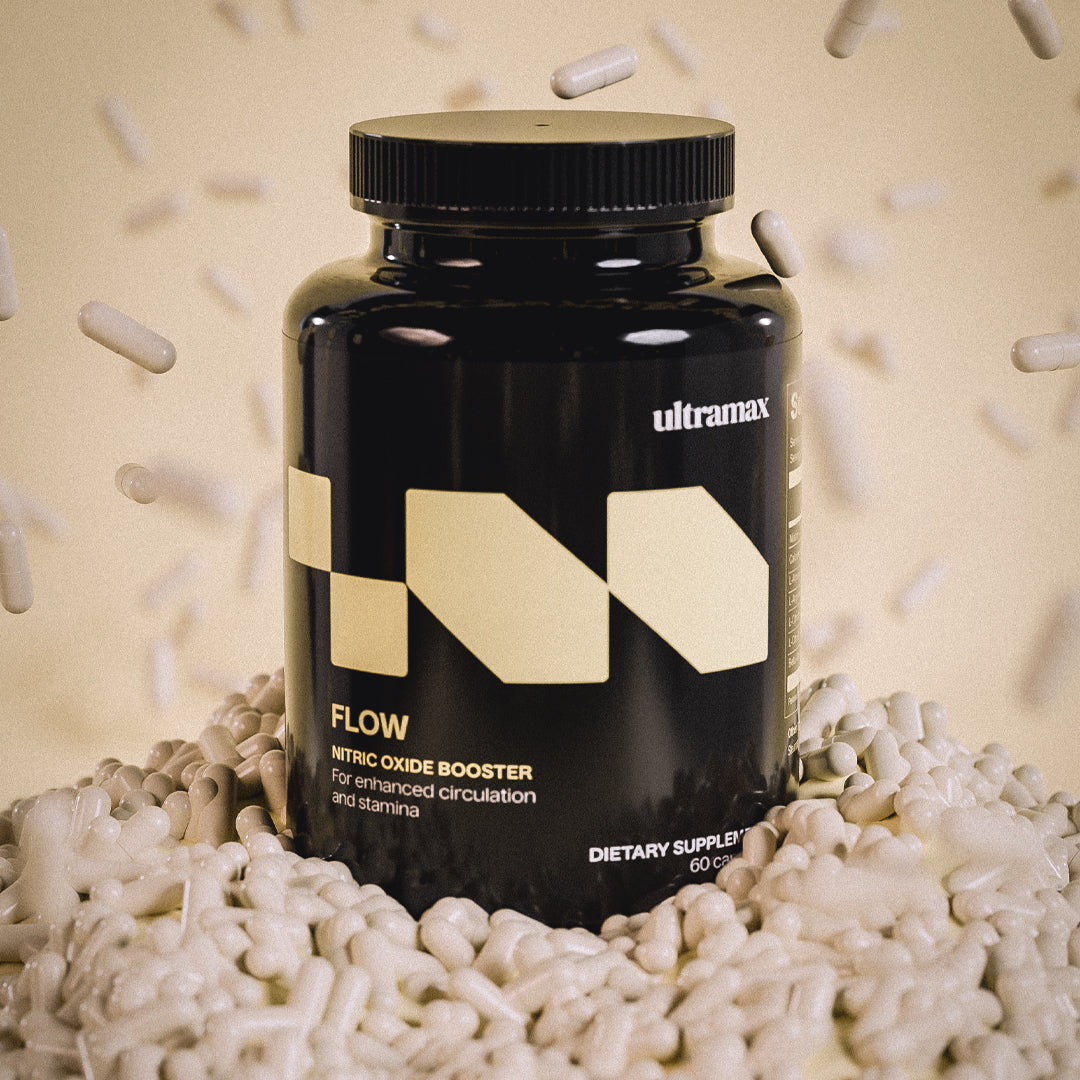
Whether it's building strength, improving endurance, or supporting performance with nitric oxide optimization through FLOW Nitric Oxide Booster, the benefits compound over time—not instantly.
Delayed gratification is uncomfortable. But it builds resilience.
3. Self-Sabotage vs. Self-Regulation
Many people mistake lack of motivation for failure.
In reality, they lack structure.
Without a sustainable routine, the brain defaults to comfort. That’s not weakness—it’s biology.
Discipline interrupts that default.
Motivation Fades on Tough Days
Everyone loves the highlight reel.
Nobody talks about:
-
The tired mornings
-
The days when progress feels invisible
-
The weeks where results plateau
These are the moments when discipline matters most.
Obstacles expose your level of commitment. Tough days reveal whether you’re driven by intrinsic motivation (internal desire) or extrinsic motivation (external reward).
A professional mindset doesn’t collapse when excitement disappears.
It persists.
This is where willpower and resilience intersect.
Discipline doesn’t ask, “Do I feel inspired?”
It asks, “What does the system require today?”
Building a Sustainable Routine
If long-term success depends on discipline, the next question is practical:
How do you build it?
You don’t start with extremes.
You start small.
Step 1: Define Clear Goals
Vague intentions produce vague outcomes.
Specific goals produce measurable progress.
Instead of:
-
“I want better performance.”
Try:
-
“I will follow a structured 12-week routine.”
-
“I will train consistently 4x per week.”
-
“I will track my improvement.”
Clarity strengthens focus.
Step 2: Create a Repeatable Routine
Discipline thrives in structure.
A routine removes decision fatigue. It reduces reliance on fleeting motivation. It creates accountability through predictability.
For example:
-
Same time
-
Same sequence
-
Same measurable checkpoints
When routines are consistent, they become automatic daily habits.
And daily habits build achievement.
Step 3: Support the System
Progress is easier when your physiology aligns with your goals.
Some individuals enhance their discipline-based approach with structured supplementation like the Desire Virility Support, ensuring internal systems support external effort.
But even here, supplementation is not a shortcut.
It amplifies discipline—it does not replace it.
The Truth About Long-Term Success
Long-term success is not glamorous.
It is repetitive.
It is persistent behavior performed when nobody is watching.
It is deliberate practice applied consistently.
It is self-esteem earned through action, not affirmation.
Motivation creates beginnings.
Discipline creates outcomes.
And progress over time—measured, tracked, and repeated—is what transforms goals into achievement.
Discipline as Identity: Becoming the Type of Man Who Follows Through
There’s a powerful shift that happens when discipline stops being something you try to do and starts becoming who you are.
Most people treat discipline like a temporary strategy:
-
“I’ll be strict for 30 days.”
-
“I’ll push hard until I see results.”
-
“I’ll stay consistent as long as I’m motivated.”
But sustainable routine doesn’t come from temporary intensity. It comes from identity.
Instead of asking:
-
“How do I stay motivated?”
Ask:
-
“What would a disciplined man do today?”
That subtle mindset shift changes everything.
When discipline becomes part of your identity, self-control stops feeling forced. You no longer rely on emotional spikes. You act because it aligns with who you are.
This is where self-discipline evolves into self-respect.
And self-respect compounds into confidence.
Accountability: The Multiplier Most Men Ignore
Discipline is internal—but accountability strengthens it.
When there’s no structure, no tracking, no system, it’s easy to rationalize inconsistency.
“I’ll skip today.”
“I’ll double up tomorrow.”
“It won’t matter.”
That’s how self-sabotage begins.
Accountability interrupts that pattern.
It can take several forms:
-
Tracking measurable progress
-
Following a structured program
-
Working with an accountability partner
-
Logging sessions and performance data
-
Setting non-negotiable routine checkpoints
When you track progress—whether in strength training, performance routines, or hormonal optimization—you create external pressure to stay aligned with your goals.
For example, someone using the Bathmate HydroMax as part of a structured program sees improvement only when sessions are consistent. The product isn’t magic. The results come from persistent behavior.
Accountability transforms discipline from abstract intention into measurable execution.
The Role of Intrinsic vs. Extrinsic Motivation
Motivation isn’t useless—it’s just unreliable on its own.
There are two types:
-
Intrinsic motivation – driven by internal desire, pride, growth, mastery.
-
Extrinsic motivation – driven by external validation, results, recognition.
The problem? Both fluctuate.
Intrinsic motivation dips when progress feels slow.
Extrinsic motivation fades when rewards aren’t immediate.
Discipline bridges the gap between the two.
It allows you to continue when:
-
Results are invisible.
-
Praise is absent.
-
Progress feels incremental.
This is where deferred gratification becomes powerful.
You sacrifice today’s comfort for tomorrow’s progress.
And over time, that discipline produces something motivation never could: momentum.
Momentum: The Hidden Advantage of Consistency
Momentum doesn’t appear overnight.
It builds quietly.
It grows from:
-
Small steps repeated daily
-
Habits performed without drama
-
Systems followed regardless of mood
Once momentum kicks in, things feel easier—not because the work changed, but because your identity changed.
You’re no longer negotiating with yourself.
You simply execute.
This is why consistency always outperforms sporadic intensity. The consistency loop strengthens:
Action → Small Result → Confidence → More Action → Larger Result.
Over months, not days, that loop becomes powerful.
Obstacles Are the Real Test
Anyone can act when conditions are perfect.
Discipline reveals itself when:
-
Sleep was poor
-
Stress is high
-
Results plateau
-
Doubt creeps in
Tough days expose whether your behavior is emotion-driven or system-driven.
This is where resilience matters.
Resilience is not loud. It is quiet persistence.
It’s showing up when you don’t feel like it.
It’s executing the routine without drama.
It’s staying focused when enthusiasm fades.
And in performance development—whether physical training, structured pump routines, or supplementation from the Supplements Collection—plateaus are normal.
What separates those who quit from those who succeed is not motivation.
It is commitment.
Why Most Men Fail (And How to Avoid It)
Failure rarely comes from lack of knowledge.
It comes from:
-
Inconsistent routine
-
Unrealistic expectations
-
Chasing intensity instead of sustainability
-
Relying on willpower alone
-
Quitting during plateaus
Willpower is finite.
Systems are sustainable.
A disciplined approach doesn’t aim for perfection. It aims for persistent behavior.
Instead of:
-
“I’ll go all in.”
Try:
-
“I’ll execute consistently.”
Instead of:
-
“I need to feel motivated.”
Try:
-
“I will act according to my plan.”
Preparation reduces friction.
Planning reduces emotional decision-making.
Structure reduces self-sabotage.
From Discipline to Confidence
There’s something powerful about knowing you can rely on yourself.
When you follow through repeatedly, you build:
-
Self-trust
-
Self-esteem
-
Focus
-
Emotional stability
Confidence stops being something you try to feel.
It becomes evidence-based.
You trust yourself because you’ve proven—through discipline—that you do what you say you’ll do.
That internal certainty carries over into every area of life:
-
Health
-
Relationships
-
Business
-
Performance
-
Personal growth
Long-term success is simply disciplined action compounded over time.
Not flashy.
Not dramatic.
Just consistent.
The Blueprint: Turning Discipline Into a Lifelong Advantage
By now, one thing should be clear: motivation is a spark, but discipline is the engine.
If you want lasting results—in performance, confidence, health, or personal growth—you need a structured blueprint. Not hype. Not temporary intensity. A repeatable system built on commitment and consistency.
Here’s how to build it.
1. Set Outcome Goals — Then Break Them Down
Big goals are inspiring.
But they can also be paralyzing.
Instead of focusing only on the outcome (more strength, better performance, higher confidence), break it down into controllable actions.
Outcome Goal:
-
Improve performance and measurable results over 6 months.
Process Goals:
-
Follow a structured routine 4–5 times per week.
-
Track progress after every session.
-
Review performance data monthly.
Discipline lives in process goals.
Long-term success is simply process goals executed repeatedly.
2. Start Small — Then Expand
Most people sabotage themselves by doing too much, too fast.
They chase intensity instead of sustainability.
But small steps build momentum.
-
Short, repeatable sessions.
-
Gradual increases.
-
Measurable improvements.
-
Realistic timelines.
For example, someone integrating a structured performance routine with the Bathmate HydroXtreme sees better long-term results when they follow progressive consistency rather than erratic overuse.
The same applies to internal optimization. Supplementation strategies like FLOW Nitric Oxide Booster work best when paired with routine and discipline—not random usage driven by bursts of motivation.
The principle is universal:
Controlled repetition beats emotional overexertion.
3. Replace Willpower With Structure
Willpower is useful—but unreliable.
Stress drains it. Fatigue weakens it. Emotion overrides it.
Structure, however, protects you from yourself.
Create a system that includes:
-
Fixed training days
-
Defined session duration
-
Progress tracking
-
Clear recovery guidelines
-
Monthly performance reviews
When structure is in place, self-regulation becomes easier. You eliminate constant decision-making.
You don’t ask, “Should I?”
You act because it’s scheduled.
This is how discipline transforms from effort into identity.
4. Build a Sustainable Routine
A sustainable routine is one you can maintain on your worst week—not just your best one.
Ask yourself:
-
Can I maintain this during stress?
-
Can I maintain this when motivation fades?
-
Can I maintain this long-term?
If the answer is no, simplify it.
A sustainable routine is:
-
Predictable
-
Measurable
-
Progressive
-
Adaptable
It prioritizes progress over time instead of instant gratification.
It accepts that some weeks will feel slow.
But slow and steady creates achievement.
5. Embrace Deliberate Practice
Improvement is not accidental.
It requires deliberate practice—intentional repetition with feedback.
Track:
-
Duration
-
Intensity
-
Performance markers
-
Recovery
-
Physical changes
Without measurement, motivation becomes guesswork.
With measurement, discipline becomes strategic.
This is where accountability evolves from helpful to essential.
You don’t rely on feelings. You rely on data.
6. Redefine Tough Days
Tough days are not interruptions.
They are opportunities.
They test:
-
Your resilience
-
Your self-control
-
Your commitment
-
Your professional mindset
When obstacles appear, don’t interpret them as signs to quit.
Interpret them as signals to double down on process.
On days when enthusiasm disappears, discipline becomes your competitive advantage.
That is the moment most people fail.
That is the moment disciplined individuals separate themselves.
7. Focus on Compounding Results
Results are rarely dramatic in the short term.
But they compound.
One consistent week becomes one consistent month.
One consistent month becomes measurable change.
Measurable change builds confidence.
Confidence strengthens discipline.
And the cycle continues.
This is the real answer behind the question of Why Discipline Is More Important Than Motivation.
Motivation creates beginnings.
Discipline creates compounding progress.
The Final Shift: From Temporary Effort to Permanent Standard
At some point, you stop chasing motivation entirely.
You stop waiting to feel inspired.
You stop negotiating with your comfort.
You simply operate from a higher standard.
You execute because it aligns with who you are.
That is self-discipline.
That is self-respect.
That is long-term success.
And that is the difference between men who start… and men who finish.
If you approach your goals—whether performance, health, or confidence—with a structured mindset, a sustainable routine, and persistent behavior, results are not a matter of luck.
They become inevitable.
Discipline is not restrictive.
It is liberating.
Because once you master it, you no longer depend on how you feel.
You depend on who you’ve become.
Frequently Asked Questions
1. Can discipline be learned, or are some people just born disciplined?
Discipline is learned.
While personality traits can influence behavior, self-discipline is primarily built through repetition, structure, and environment. When you create systems, remove friction, and practice self-regulation daily, disciplined behavior becomes automatic. It’s less about talent and more about training.
2. How long does it take to build discipline?
There’s no fixed timeline.
Discipline strengthens through consistent repetition. Some habits may feel automatic within weeks, while deeper behavioral shifts may take months. The key is not speed—but sustained commitment and progress over time.
3. Is motivation completely useless?
Not at all.
Motivation is useful for starting new goals. It provides emotional energy and direction. The problem arises when people rely on motivation alone. The most effective approach is using motivation to initiate action and discipline to maintain it.
4. What’s the difference between discipline and willpower?
Willpower is a short-term internal force that helps you resist temptation.
Discipline is a structured behavior pattern that reduces the need for constant willpower. In other words, willpower helps you say “no” in the moment. Discipline builds systems so you don’t face the same internal battle repeatedly.
5. How do I stay disciplined when I see no immediate results?
This is where deferred gratification becomes critical.
If your actions are aligned with a proven process, temporary lack of visible results doesn’t mean failure. Focus on execution metrics (Did I complete the routine?) rather than outcome metrics (Did I see change today?). Results compound quietly before they become visible.
6. Can too much discipline become unhealthy?
Yes—if it turns rigid or obsessive.
Healthy discipline includes adaptability. A sustainable routine allows for recovery, flexibility, and adjustments. True discipline is structured but not self-destructive. It supports long-term success, not burnout.
7. What are the biggest enemies of discipline?
Common obstacles include:
-
Lack of clear goals
-
Overcomplicated routines
-
Emotional decision-making
-
Unrealistic expectations
-
Inconsistent sleep and stress management
Most discipline failures stem from poor systems—not lack of character.
8. How does discipline improve confidence?
Confidence grows from evidence.
When you consistently follow through on commitments, you build self-trust. That self-trust strengthens self-esteem. Over time, disciplined action creates internal certainty—because you’ve repeatedly proven you can rely on yourself.
9. Is discipline more important than passion?
Passion can spark interest.
Discipline sustains performance.
Passion fluctuates based on novelty and emotional state. Discipline ensures you continue improving even when passion dips. The most successful individuals rely on structured commitment, not constant excitement.
10. What’s the first practical step to becoming more disciplined today?
Start small and make it non-negotiable.
Choose one simple action aligned with your goal. Schedule it. Execute it daily. Track it.
Do not increase intensity until consistency is automatic.
Discipline grows through repeated execution—not dramatic transformation.



Leave a comment
This site is protected by hCaptcha and the hCaptcha Privacy Policy and Terms of Service apply.