


Testosterone is far more than a “sex hormone.” It plays a central role in energy regulation, motivation, mood stability, cognitive sharpness, and social dominance behavior. When testosterone levels are optimal, men often experience greater physical endurance, stronger self-confidence, clearer mental focus, and higher overall vitality. When levels drop—due to stress, aging, or hypogonadism—the effects can ripple through every domain of life: low energy, fatigue, irritability, anxiety, depressed mood, reduced libido, and diminished drive. Understanding how hormone balance affects self-perception, competitiveness, and well-being gives men practical leverage to reclaim their edge—physically, mentally, and socially.
The Invisible Engine Behind Male Drive
You don’t wake up thinking about serum testosterone.
But you feel it.
You feel it when your motivation is sharp.
When your concentration locks in.
When your physical performance pushes past yesterday’s limits.
And you feel it when it’s missing—when low energy lingers, brain fog dulls cognition, and even small challenges feel disproportionately heavy.
At its core, testosterone levels influence three overlapping systems:
- Energy production and metabolic rate
- Neurotransmitter function and mood regulation
- Social and behavioral drive
This isn’t just about muscle mass & strength. It’s about how your body and brain interpret effort, reward, risk, and status.
Hormone Balance and the Architecture of Vitality
Testosterone belongs to a group of hormones called androgens. When hormone balance is disrupted—whether through stress, sleep disturbances, aging, or medical conditions like hypogonadism or androgen deficiency—the consequences extend beyond the gym.
Low testosterone (low T) is associated with:
- Fatigue and low energy
- Depressed mood and anxiety
- Irritability and mood swings
- Reduced sexual desire / libido
- Loss of motivation and achievement motivation
- Decline in physical endurance / stamina
These are not isolated symptoms. They are systemic.
Energy regulation is tightly tied to testosterone’s influence on muscle tissue, metabolic rate, and mitochondrial efficiency. When levels drop, physical output decreases. But here’s where it gets interesting:
When physical performance drops, perceived ability often drops with it.
And that’s where confidence begins to erode.
Confidence Is Biochemistry in Motion
Confidence isn’t just a personality trait. It’s a biological state.
Testosterone interacts with serotonin and dopamine pathways—neurotransmitter systems responsible for reward sensitivity, emotional regulation, and motivational drive. When serum testosterone is optimal, men often report:
- Higher self-confidence and self-esteem
- Greater assertiveness
- Increased willingness to compete
- Stronger dominance behavior
- Elevated social energy
Behavioral endocrinology research, including theories like the Challenge Hypothesis, suggests testosterone rises in competitive or status-driven contexts. In turn, that rise can increase competitiveness, risk-taking (behavioral), and goal-oriented behavior.
In practical terms?
You feel more capable.
You act more decisive.
You pursue rather than hesitate.
Confidence becomes self-reinforcing through positive feedback sensitivity and social feedback responsiveness.
Low T and the Quiet Collapse of Drive
When testosterone levels decline, the shift can be subtle.
You may notice:
- Apathy replacing drive
- Reduced social engagement
- Slower cognition and mental clarity
- Lower stress tolerance
- Emotional symptoms like irritability or anxiety
Over time, this can affect self-perception and self-worth. What once felt like ambition may feel like obligation. What once felt energizing may now feel draining.
Low testosterone is sometimes medically diagnosed as hypogonadism, but many men experience subclinical symptoms that impact quality of life long before formal diagnosis.
That’s why lifestyle optimization—and when appropriate, targeted support—matters.
For example, foundational support through properly formulated options like RISE Testosterone Booster can help support hormone balance alongside sleep, training, and stress management.
Energy: The Physical and Psychological Fuel
Energy isn’t just calories. It’s output capacity.
Testosterone influences:
- Muscle mass & strength
- Physical endurance
- Metabolic efficiency
- Recovery
- Overall vitality
When these systems are functioning well, motivation feels natural. Achievement motivation feels intrinsic rather than forced.
But energy also has a cognitive dimension.
Cognitive energy includes:
- Attention
- Concentration
- Mental clarity
- Speed of processing
- Emotional regulation
When testosterone interacts effectively with neurotransmitter systems, many men experience sharper cognition and improved social cognition—meaning they interpret social cues more confidently and respond with assertiveness.
That combination—physical stamina and mental clarity—is what most men describe as feeling “on.”
Sexual Confidence and Psychosocial Momentum
Testosterone is deeply tied to sexual desire / libido and sexual performance. But the effects extend beyond the bedroom.
Sexual health influences:
- Self-esteem responsiveness
- Perceived social status
- Dominance behavior
- Relationship satisfaction
- Overall well-being
When libido declines, men may experience diminished self-worth and reduced social energy. Addressing sexual vitality can therefore influence psychological resilience and psychosocial behavior more broadly.
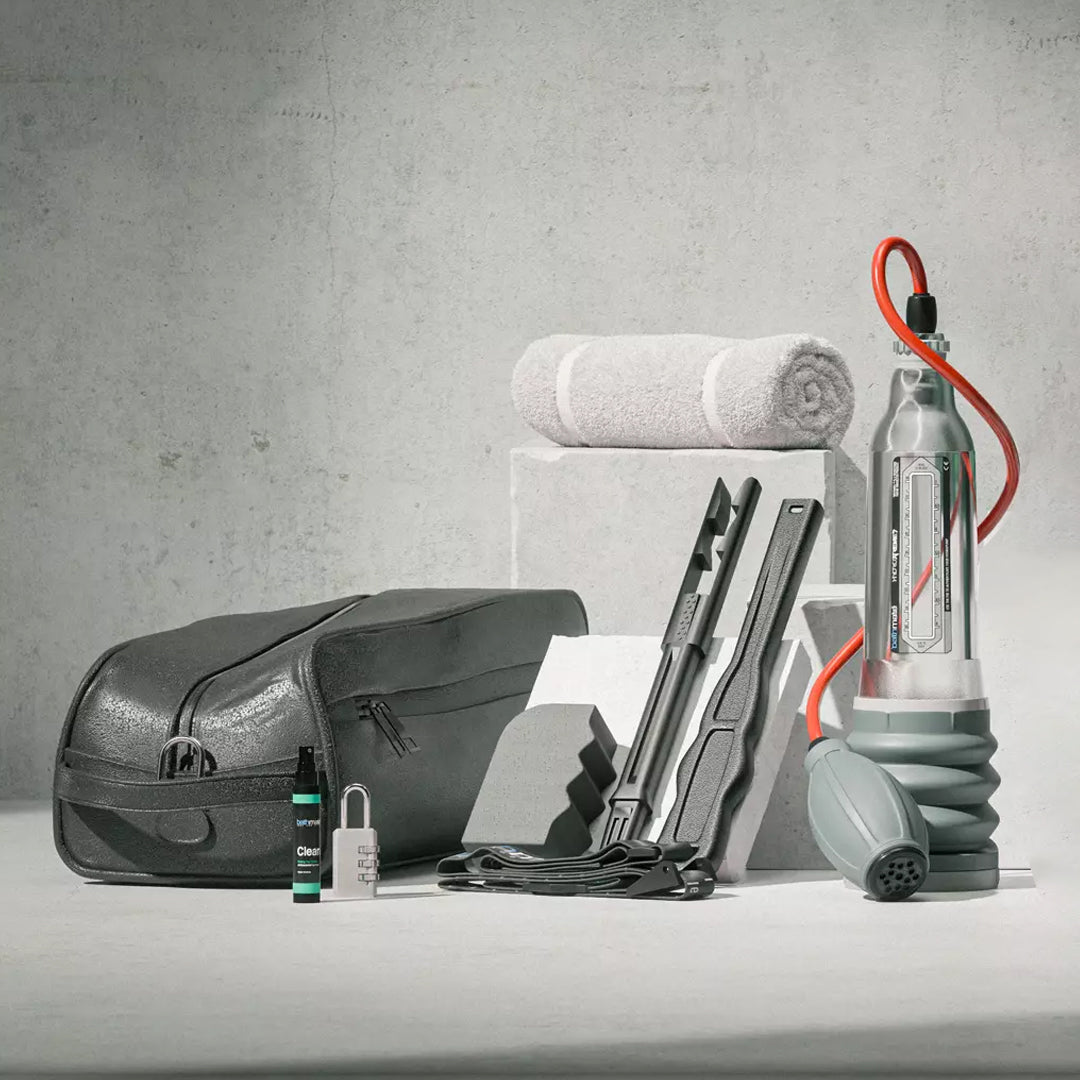
Men exploring physical enhancement tools often turn to clinically recognized hydro-based systems like the Bathmate HydroXtreme, which are part of our broader Hydropumps collection. These tools are designed to support physical performance and confidence through improved blood flow and vascular expansion—complementing hormonal optimization strategies.
Confidence often begins with reclaiming perceived ability. And perception drives behavior.
Testosterone and the Competitive Edge
From an evolutionary perspective, testosterone helped shape dominance hierarchies and competitive behavior. Modern research shows links between testosterone and:
- Willingness to compete
- Risk-taking
- Social status seeking
- Aggression (context-dependent)
- Goal-directed persistence
Even prenatal markers like the 3D:4D ratio have been explored in research as indicators of testosterone exposure and later confidence traits.
But the modern world requires calibrated dominance—not blind aggression.
Healthy testosterone supports:
- Controlled assertiveness
- Emotional regulation
- Strategic competitiveness
- Psychological resilience
When stress is chronic, cortisol can suppress testosterone production, leading to low energy and reduced drive. This is where lifestyle, supplementation, and circulation support can work synergistically.
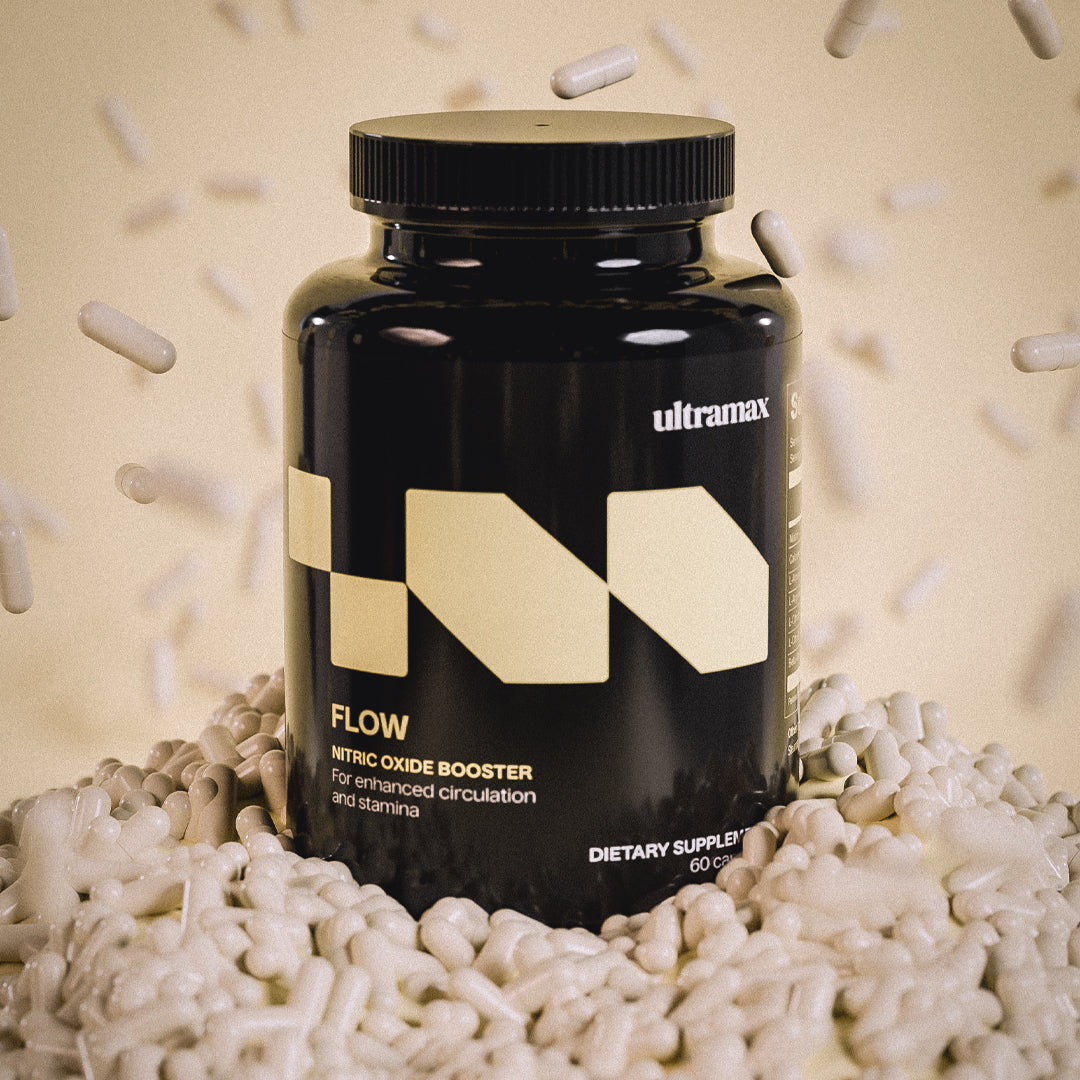
Formulations like FLOW Nitric Oxide Booster support vascular performance, complementing testosterone optimization and helping maintain physical performance capacity—another cornerstone of confidence.
The Neurochemistry of Momentum: Testosterone, Dopamine, and Serotonin
If testosterone is the spark, neurotransmitters are the wiring.
The relationship between testosterone levels and brain chemistry explains why shifts in hormone balance don’t just change the body—they change perception, emotion, and behavior.
Dopamine: The Drive Molecule
Dopamine governs:
- Motivational drive
- Goal-oriented behavior
- Reward anticipation
- Achievement motivation
- Risk-taking (behavioral)
Healthy testosterone levels support dopamine activity in areas of the brain responsible for competitiveness and dominance behavior. When levels decline, dopamine signaling can weaken. The result?
- Reduced willingness to compete
- Lowered social engagement
- Decreased motivation
- A subtle but persistent apathy
Tasks feel heavier. Wins feel less rewarding. Ambition dulls.
This is often mistaken for laziness. In reality, it can be biochemical.
Serotonin: Mood Stability and Emotional Regulation
Serotonin influences:
- Mood
- Anxiety
- Irritability
- Emotional symptoms
- Stress resilience
Testosterone interacts with serotonin pathways, shaping emotional regulation and psychological resilience. When serum testosterone drops, men may experience:
- Mood swings
- Heightened stress sensitivity
- Depressed mood
- Lower self-confidence
And here’s where it compounds:
When mood declines, self-perception shifts.
When self-perception shifts, behavior changes.
When behavior changes, outcomes follow.
Confidence erodes not in a single dramatic collapse—but in quiet recalibrations of perceived ability.
Sleep, Recovery, and Hormone Production
Sleep disturbances are one of the most underestimated drivers of low testosterone.
Deep sleep stages are critical for:
- Hormone production
- Energy regulation
- Muscle repair
- Cognitive recovery
Chronic sleep restriction reduces serum testosterone, increases cortisol, and impairs metabolic rate. That combination affects:
- Physical endurance / stamina
- Mental clarity
- Concentration
- Emotional regulation
Men who improve sleep quality often notice improvements in overall vitality before any supplement or device enters the picture.
But for many, sleep disruption stems from stress overload—modern pressure on a system designed for cycles, not constant stimulation.
Stress, Cortisol, and the Suppression Effect
Stress is not inherently harmful. Acute stress sharpens focus and can temporarily elevate testosterone in competitive contexts, aligning with the Challenge Hypothesis in behavioral endocrinology.
Chronic stress, however, is different.
Elevated cortisol over time suppresses testosterone production, creating a hormonal imbalance characterized by:
- Low energy
- Fatigue
- Brain fog
- Anxiety
- Reduced libido
- Lower self-esteem
This isn’t weakness. It’s endocrine suppression.
Restoring confidence often begins with restoring recovery capacity.
The Physical Feedback Loop: Blood Flow, Performance, and Self-Worth
Confidence is partly hormonal—but it’s also experiential.
Physical performance feeds self-worth. Improved strength, stamina, and sexual performance enhance positive feedback sensitivity and reinforce dominance behavior in healthy, controlled ways.
Circulatory health plays a central role here. Optimizing vascular function improves oxygen delivery, endurance, and erectile quality—directly impacting sexual desire / libido and perceived ability.
For men seeking targeted support, structured systems like the Bathmate Hydromax and compact models such as the Hydro7 are designed to support expansion training and vascular responsiveness. These tools work alongside internal hormone optimization strategies to reinforce physical confidence.
Because when the body performs reliably, the mind follows.
Testosterone and Social Cognition
One of the lesser-discussed aspects of how testosterone impacts confidence and energy lies in social cognition.
Men with balanced testosterone levels often demonstrate:
- Faster interpretation of social cues
- Greater assertiveness
- More decisive communication
- Increased social energy
This doesn’t mean reckless aggression. In fact, well-regulated testosterone supports calibrated dominance—controlled presence rather than volatility.
Low testosterone, on the other hand, may lead to:
- Social withdrawal
- Reduced competitiveness
- Diminished perceived social status
- Heightened anxiety in evaluative situations
Confidence, in many cases, is the byproduct of stable internal signaling.
Sexual Vitality as a Psychological Multiplier
Sexual health is not isolated from overall well-being.
Reduced libido and sexual performance concerns can trigger:
- Lower self-worth
- Emotional symptoms
- Irritability
- Relationship strain
- Declining quality of life
Supporting virility is therefore not superficial—it’s foundational.
Formulations such as Desire – Virility Support are designed to support libido, circulation, and hormonal alignment. Combined with lifestyle optimization and testosterone support through our broader Supplements collection, men can address both biochemical and experiential contributors to confidence.
Because when sexual vitality improves, self-perception often follows.
From Biology to Identity
At its core, testosterone influences identity through repeated feedback loops:
- Hormone balance affects energy and mood.
- Energy and mood affect behavior.
- Behavior shapes outcomes.
- Outcomes influence self-perception and self-esteem.
Over time, these loops either build psychological resilience—or erode it.
This is why addressing low testosterone isn’t about chasing aggression or artificial dominance. It’s about restoring alignment between biology and ambition.
Rebuilding the Edge: A Practical Blueprint for Confidence and Energy
Understanding the biology is powerful.
Applying it is transformational.
If testosterone influences motivation, mood, competitiveness, cognition, libido, and overall vitality, then restoring optimal testosterone levels becomes less about aesthetics—and more about reclaiming identity.
Here’s how to approach it strategically.
Step 1: Measure Before You Modify
You cannot optimize what you don’t measure.
Testing serum testosterone provides clarity around:
- Total testosterone
- Free testosterone
- Indicators of hypogonadism or androgen deficiency
- Hormone balance across related markers
Many men assume they have low T because they feel fatigued or unmotivated. Others ignore symptoms like brain fog, irritability, anxiety, or declining libido for years.
Testing creates objectivity.
It also separates lifestyle-induced suppression from clinically significant hormone deficiency.
Step 2: Rebuild the Foundations of Hormonal Health
Before advanced strategies, address the pillars that directly influence testosterone production and energy regulation.
1. Sleep Discipline
- 7–9 hours nightly
- Consistent sleep-wake timing
- Reduced late-night light exposure
Deep sleep drives hormone production. Without it, no supplement or protocol will fully compensate.
2. Strength Training
Resistance training increases:
- Muscle mass & strength
- Metabolic rate
- Dopamine signaling
- Achievement motivation
Training also reinforces dominance behavior and perceived ability through measurable progress.
3. Stress Management
Chronic cortisol suppresses testosterone. Mitigate stress through:
- Structured recovery
- Breathwork or parasympathetic activation
- Strategic workload boundaries
Psychological resilience grows when stress is cyclical—not constant.
Step 3: Support Testosterone Strategically
For men who want to go further, targeted support can complement foundational habits.
A well-formulated testosterone support product, such as RISE Testosterone Booster, is designed to help promote hormone balance and support natural testosterone levels when paired with sleep, training, and nutrition.
This isn’t about artificial stimulation. It’s about supporting the endocrine system so energy, motivation, and confidence can stabilize.
Because when testosterone stabilizes, so do:
- Mood
- Concentration
- Emotional regulation
- Social engagement
- Overall vitality
Step 4: Reinforce Physical Confidence
Confidence compounds when the body responds.
Circulatory performance and vascular health directly influence:
- Physical endurance
- Sexual desire / libido
- Erectile quality
- Perceived ability
- Self-esteem responsiveness
Many men underestimate how much sexual vitality affects social cognition and self-worth.
Physical training tools can reinforce this feedback loop. High-performance hydro-based systems, such as the Bathmate HydroXtreme, are engineered to support blood flow expansion and performance enhancement through structured water-based pressure training.
When physical performance improves, the psychological shift can be immediate.
Step 5: Optimize Nitric Oxide and Circulation
Testosterone influences drive—but blood flow influences execution.
Nitric oxide supports:
- Vascular dilation
- Oxygen delivery
- Stamina
- Physical performance
A nitric oxide support formula like FLOW Nitric Oxide Booster can complement testosterone optimization by enhancing circulation and endurance.
Together, hormonal alignment and vascular efficiency improve both energy and sexual confidence—two of the most visible reflections of internal vitality.
Step 6: Address Libido and Virility Directly
Declining libido is often the first emotional signal of hormonal imbalance.
When sexual desire fades, men frequently experience:
- Lower self-confidence
- Reduced assertiveness
- Increased anxiety
- Emotional withdrawal
Targeted support like Desire – Virility Support is formulated to help reinforce libido, circulation, and sexual well-being—further strengthening the positive feedback loop between physical vitality and psychological resilience.
Because sexual health is not separate from confidence. It amplifies it.
The Compounding Effect of Alignment
When testosterone levels are optimized and supported by proper recovery, training, and circulation:
- Motivation becomes self-sustaining.
- Risk-taking becomes calculated rather than impulsive.
- Competitiveness becomes strategic rather than reactive.
- Dominance behavior becomes controlled presence rather than aggression.
This is healthy masculinity expressed through hormonal alignment.
Energy improves.
Mood stabilizes.
Drive intensifies.
Self-perception strengthens.
And the gap between ambition and execution narrows.
Final Thoughts
Testosterone is not a magic switch.
It is a regulator—of energy, mood, cognition, libido, competitiveness, and well-being.
When balanced, it enhances:
- Goal-oriented behavior
- Psychological resilience
- Social engagement
- Mental clarity
- Physical endurance
When suppressed, it dulls those same traits quietly over time.
The question isn’t simply how testosterone impacts confidence and energy.
The real question is whether your biology is aligned with your ambition.
Because when hormone balance, circulation, recovery, and self-perception synchronize, confidence stops feeling forced.
It feels natural.
Frequently Asked Questions
1. Can boosting testosterone instantly increase confidence?
Not instantly. While testosterone influences assertiveness, motivation, and social dominance behavior, confidence is built through repeated positive feedback loops. Hormonal optimization can improve mood, energy, and drive, but real self-confidence strengthens as improved biology leads to better performance, which then reinforces self-perception and self-worth.
2. At what age do testosterone levels typically begin to decline?
For most men, testosterone levels begin a gradual decline around the late 20s to early 30s. The drop is usually slow—about 1% per year—but lifestyle factors like chronic stress, poor sleep, obesity, and inactivity can accelerate the process and increase the likelihood of low testosterone symptoms earlier in life.
3. Can normal testosterone levels still leave me feeling fatigued?
Yes. Fatigue and low energy are multifactorial. Even with normal serum testosterone, issues like sleep disturbances, nutrient deficiencies, poor metabolic rate, chronic stress, or mental burnout can impair energy regulation and cognitive performance. Testosterone is a major piece of the puzzle—but not the only one.
4. Does higher testosterone automatically mean more aggression?
No. Healthy testosterone levels are more strongly associated with assertiveness, competitiveness, and confidence than uncontrolled aggression. Context matters. Balanced hormone levels support emotional regulation and strategic dominance behavior, not reckless or hostile reactions.
5. How does testosterone affect mental clarity and focus?
Testosterone interacts with dopamine and serotonin systems that regulate cognition, attention, and concentration. When levels are optimal, many men report improved mental clarity and reduced brain fog. Low testosterone, by contrast, can contribute to slowed thinking, reduced motivation, and impaired decision-making.
6. Is low libido always caused by low testosterone?
Not always. While low testosterone is a common contributor to reduced sexual desire / libido, other factors such as stress, relationship dynamics, depression, anxiety, medication use, and poor circulation can also play a role. Hormone balance is important, but libido reflects both biological and psychological influences.
7. Can improving testosterone improve social confidence?
It can contribute significantly. Testosterone influences social energy, willingness to compete, and social engagement. When mood stabilizes and energy improves, men often experience stronger assertiveness and reduced social anxiety. However, social confidence also develops through behavioral practice and positive social experiences.
8. How long does it take to notice changes after improving testosterone levels?
The timeline varies. Some men notice improvements in energy and mood within a few weeks of addressing sleep, stress, and nutrition. Changes in muscle mass & strength, body composition, and sustained motivational drive typically take longer—often several months of consistent effort.
9. Can exercise naturally increase testosterone?
Yes, especially resistance training and high-intensity interval training. Strength training increases muscle mass & strength, supports metabolic rate, and can stimulate short-term rises in testosterone. Over time, consistent training supports better hormone balance and improved overall vitality.
10. What are early warning signs of declining testosterone?
Early signs may include:
-
Reduced motivation or drive
-
Subtle mood swings or irritability
-
Increased fatigue despite adequate rest
-
Lower confidence or diminished self-esteem
-
Decreased sexual desire
-
Slower recovery from workouts
-
Reduced stress tolerance
These symptoms often appear gradually. Recognizing them early allows for lifestyle adjustments before more significant hormone imbalance or androgen deficiency develops.



Leave a comment
This site is protected by hCaptcha and the hCaptcha Privacy Policy and Terms of Service apply.